Columbia Science Commits
  • HOME
  • ABOUT
    • Overview
    • The Columbia Commitment
    • Message from the President
    • Strategic Planning
    • Leadership
  • PRIORITIES
    • Fundamental Science
    • Neuroscience
    • Climate Response
    • Precision Medicine
    • Next Generation Nano
    • Data and Society
  • NEWS
    • Science News
    • Press Releases
    • Video Gallery
  • PARTNERS
    • All Partners
    • The Fu Foundation School of Engineering and Applied Science
    • Columbia University Medical Center
    • Columbia Zuckerman Institute
    • The Earth Institute
    • Lamont-Doherty Earth Observatory
    • Columbia | Precision Medicine
    • Data Science Institute
    • Columbia Nano Initiative
  • JOIN US
    • Commit
    • Twitter
Select Page
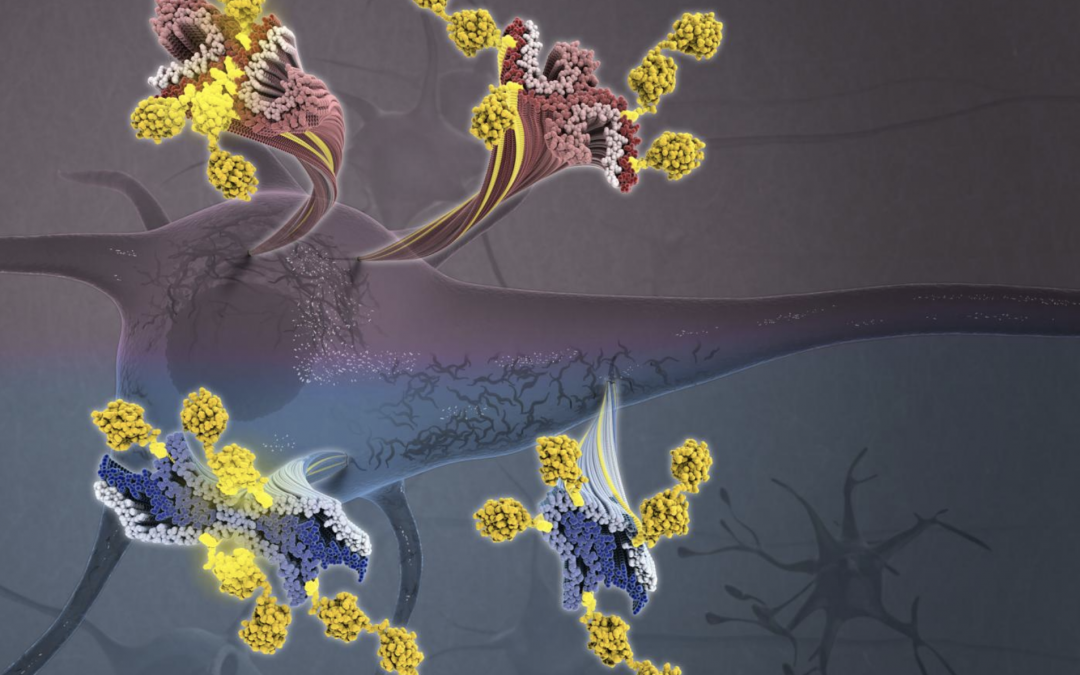
Toxic Protein, Linked to Alzheimer’s and Other Neurodegenerative Diseases, Exposed in New Detail

Toxic Protein, Linked to Alzheimer’s and Other Neurodegenerative Diseases, Exposed in New Detail

February 6, 2020
neuroscience   zuckerman institute  

A Columbia-led team harnessed two powerful technologies to identify promising targets for diagnosing and treating neurodegenerative diseases.

Columbia’s Zuckerman Institute Announces Three Artists-in-Residence

Columbia’s Zuckerman Institute Announces Three Artists-in-Residence

February 4, 2020
neuroscience   zuckerman institute  

A trio of pioneers in the fields of visual arts, jazz and literature will spend a year collaborating with scientists at the Institute in an endeavor that immerses artists in the cutting-edge field of neuroscience. 
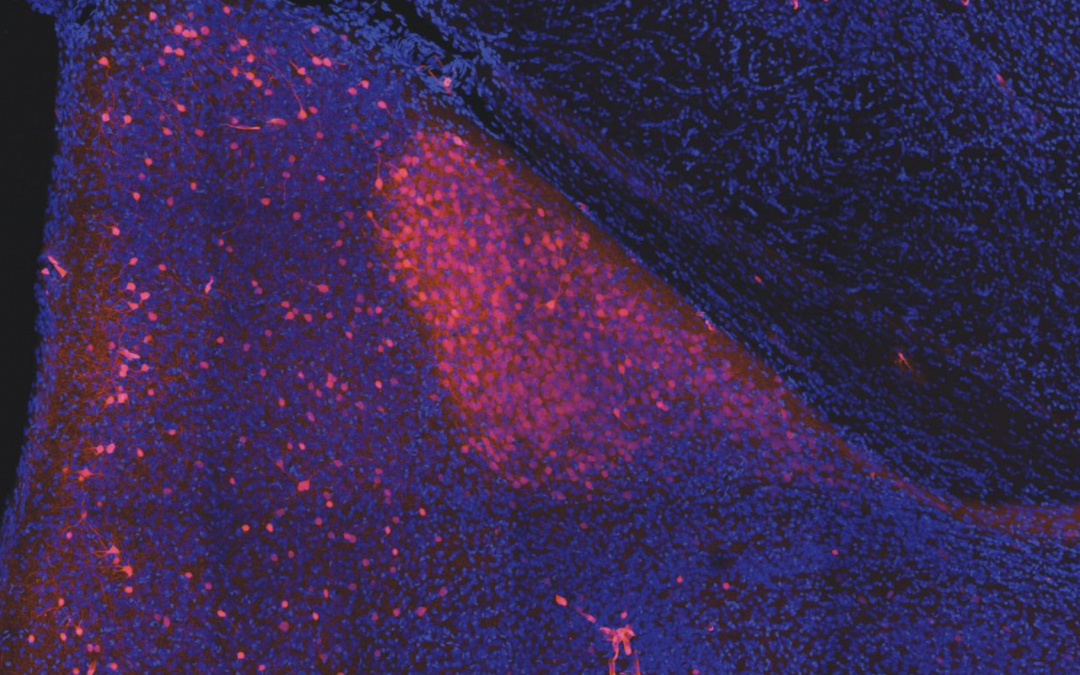
Sex Pheromone Named for Jane Austen Character Alters Brain in Mouse Courtship

Sex Pheromone Named for Jane Austen Character Alters Brain in Mouse Courtship

January 29, 2020
neuroscience   zuckerman institute  

The new Columbia-led study in mice maps the brain circuitry that enables a single pheromone to drive both innate and learned sexual behaviors.
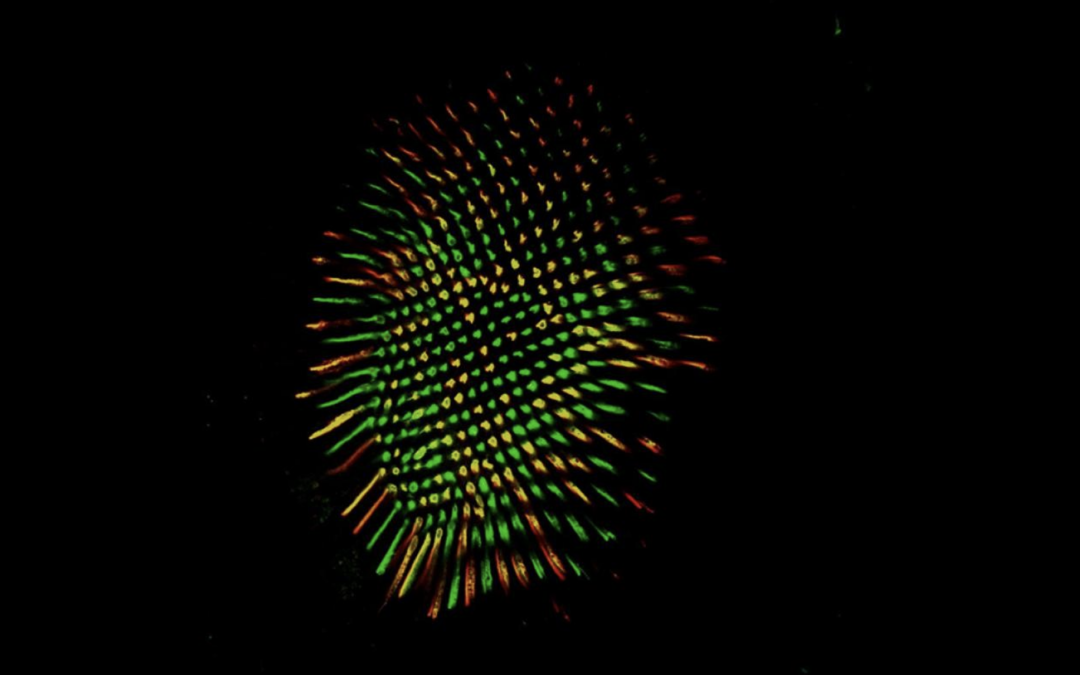
How Do Fruit Flies See in Color? Columbia Study Uncovers Human-like Brain Circuit at Work

How Do Fruit Flies See in Color? Columbia Study Uncovers Human-like Brain Circuit at Work

January 9, 2020
neuroscience   zuckerman institute  

Columbia scientists have identified a brain circuit that drives fruit flies’ ability to see in color — and found that it bears a striking resemblance to the circuitry behind our own capacity for color vision.
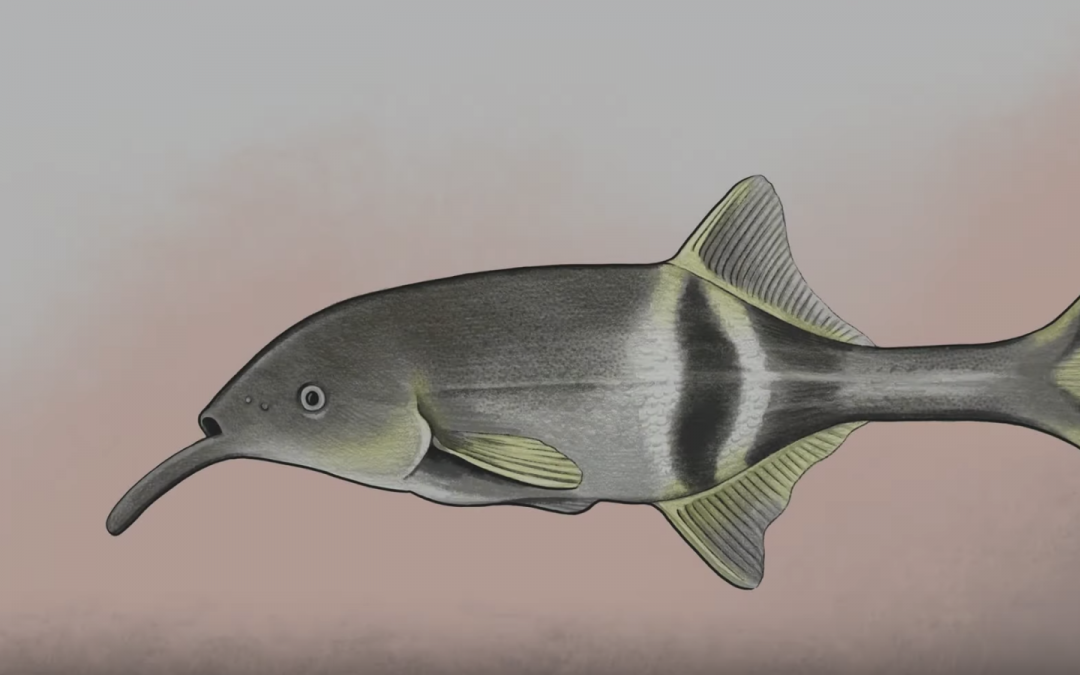
Mathematics and Neuroscience Merge to Shed Light on Learning

Mathematics and Neuroscience Merge to Shed Light on Learning

January 6, 2020
neuroscience   zuckerman institute  

What can a fish tell us about the brain and our senses? At Columbia’s Zuckerman Institute, two labs with different expertise have teamed up to find out.

« Older Entries
Next Entries »
Close