Columbia Science Commits
  • HOME
  • ABOUT
    • Overview
    • The Columbia Commitment
    • Message from the President
    • Strategic Planning
    • Leadership
  • PRIORITIES
    • Fundamental Science
    • Neuroscience
    • Climate Response
    • Precision Medicine
    • Next Generation Nano
    • Data and Society
  • NEWS
    • Science News
    • Press Releases
    • Video Gallery
  • PARTNERS
    • All Partners
    • The Fu Foundation School of Engineering and Applied Science
    • Columbia University Medical Center
    • Columbia Zuckerman Institute
    • The Earth Institute
    • Lamont-Doherty Earth Observatory
    • Columbia | Precision Medicine
    • Data Science Institute
    • Columbia Nano Initiative
  • JOIN US
    • Commit
    • Twitter
Select Page
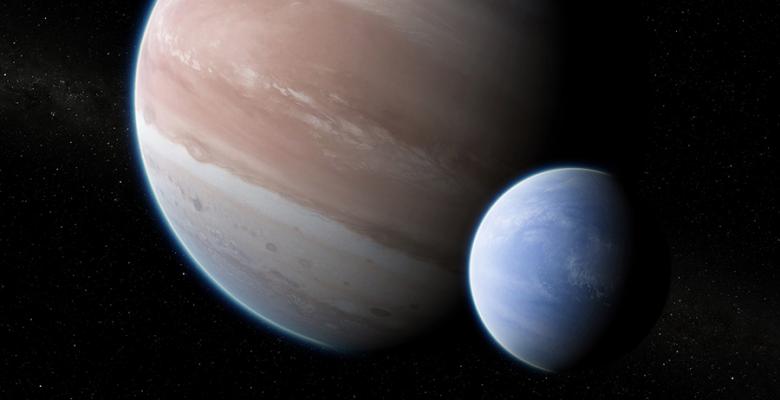
Columbia Astronomers Find First Compelling Evidence for a Moon Outside Our Solar System

Columbia Astronomers Find First Compelling Evidence for a Moon Outside Our Solar System

October 3, 2018
exomoon   fundamental science  

A pair of Columbia astronomers using NASA’s Hubble Space Telescope and Kepler Space Telescope have assembled evidence for the existence of a moon orbiting a gas-giant planet 8,000 light-years away.
Undergraduate Columbia Astronomy Students Intern at Chile’s Universidad Católica

Undergraduate Columbia Astronomy Students Intern at Chile’s Universidad Católica

September 24, 2018
astronomy   fundamental science  

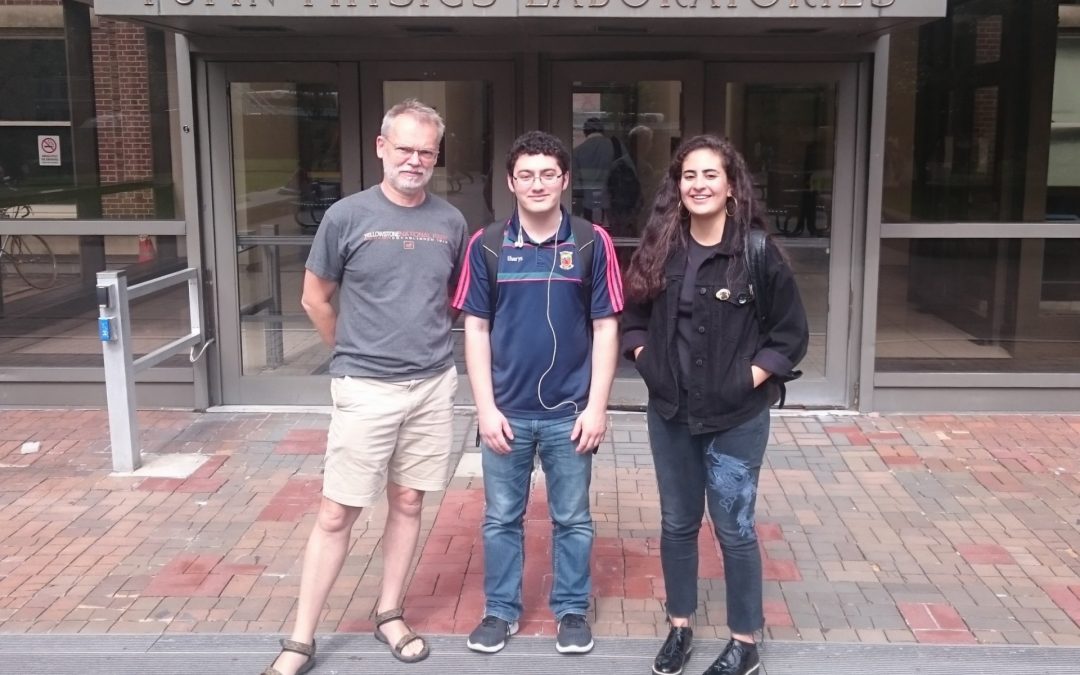
Yasmeen Asali and John Staunton, two Columbia undergraduates from the astronomy department, spent two months in Chile in a practicum at Universidad Católica’s Astrophysics Institute as part of an ongoing exchange program between both institutions.
Study Signals Change in How Scientists Calculate Ancient Diets

Study Signals Change in How Scientists Calculate Ancient Diets

June 27, 2018
ecology   fundamental science  

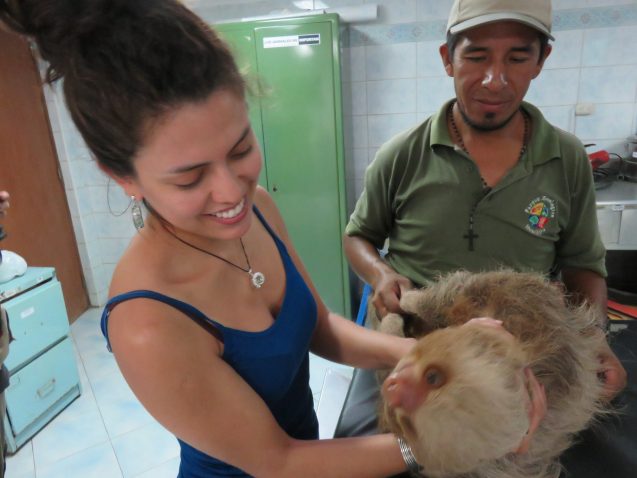
Scientists have long determined what extinct animals ate by analyzing carbon isotopes locked inside their fossil teeth. But a new study shows that in many cases, they may be plugging the wrong numbers into their equations.
Days on Earth Are Getting Longer. You Can Thank the Moon, Not the Seasons.

Days on Earth Are Getting Longer. You Can Thank the Moon, Not the Seasons.

June 4, 2018
earth science   fundamental science  

A new study that reconstructs the deep history of our planet’s relationship to the moon and other planetary bodies shows that 1.4 billion years ago, a day on Earth lasted about 18.7 hours.
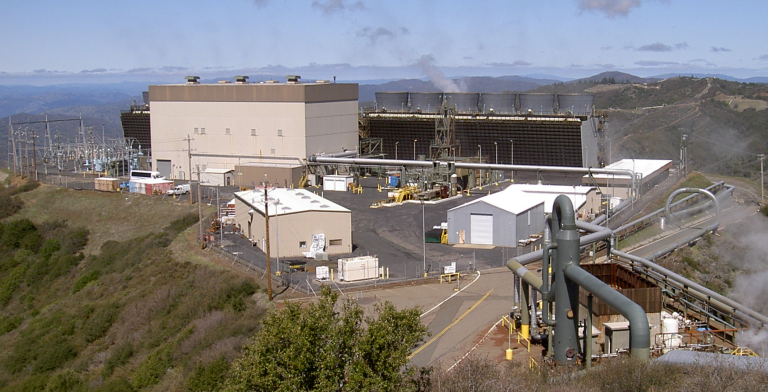
Applying Machine Learning Tools to Earthquake Data Offers New Insights

Applying Machine Learning Tools to Earthquake Data Offers New Insights

May 23, 2018
earthquakes   fundamental science  

“It’s a totally new way of studying earthquakes,” said study coauthor Benjamin Holtzman. “These machine learning methods pick out very subtle differences in the raw data that we’re just learning to interpret.”

« Older Entries
Next Entries »
Close