Columbia Science Commits
  • HOME
  • ABOUT
    • Overview
    • The Columbia Commitment
    • Message from the President
    • Strategic Planning
    • Leadership
  • PRIORITIES
    • Fundamental Science
    • Neuroscience
    • Climate Response
    • Precision Medicine
    • Next Generation Nano
    • Data and Society
  • NEWS
    • Science News
    • Press Releases
    • Video Gallery
  • PARTNERS
    • All Partners
    • The Fu Foundation School of Engineering and Applied Science
    • Columbia University Medical Center
    • Columbia Zuckerman Institute
    • The Earth Institute
    • Lamont-Doherty Earth Observatory
    • Columbia | Precision Medicine
    • Data Science Institute
    • Columbia Nano Initiative
  • JOIN US
    • Commit
    • Twitter
Select Page
Ozone Treaty Stopped Jet-Stream Drift in Southern Hemisphere

Ozone Treaty Stopped Jet-Stream Drift in Southern Hemisphere

March 27, 2020
climate response  

Researchers long ago predicted that the 1987 Montreal Protocol, banning ozone-depleting gases, would reverse a worrisome trend in Southern Hemisphere winds. A new study shows they were right.

What Can We Learn From Covid-19 to Help With Climate Change?

What Can We Learn From Covid-19 to Help With Climate Change?

March 26, 2020
climate response   coronavirus   COVID-19  

As we confront the COVID-19 crisis, can we learn anything that could help us as a country deal with another crisis that is slowly but inexorably coming down the pike—climate change?

The Shutdown Is Clearing New York’s Air. Don’t Cheer Too Hard.

The Shutdown Is Clearing New York’s Air. Don’t Cheer Too Hard.

March 25, 2020
atmospheric science   climate response  

Columbia researchers are measuring severe drops in pollutants at the ground level, but warn that the benefits will be short-lived unless we take away some longer-term lessons.
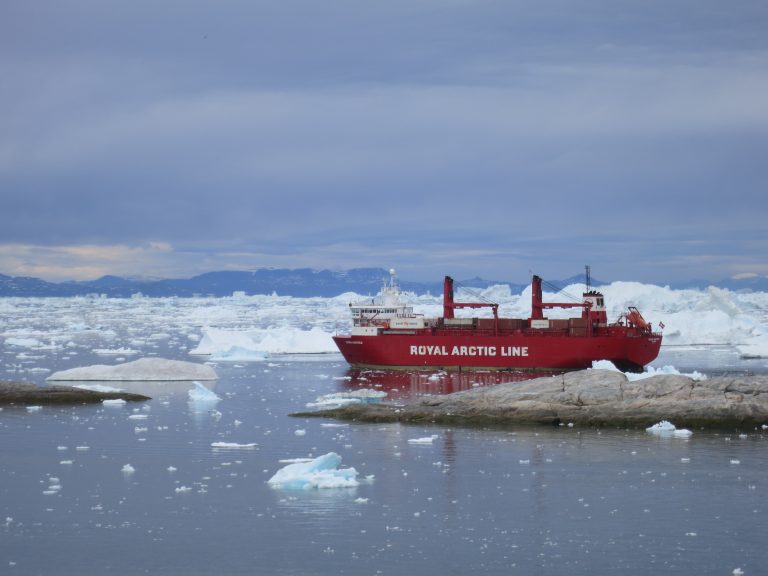
Increasingly Mobile Sea Ice Means Arctic Neighbors May Pollute Each Others’ Waters

Increasingly Mobile Sea Ice Means Arctic Neighbors May Pollute Each Others’ Waters

March 18, 2020
climate change   climate response  

The movement of Arctic sea ice is expected to significantly increase this century, raising the risk of more widely transporting pollutants like microplastics and oil.
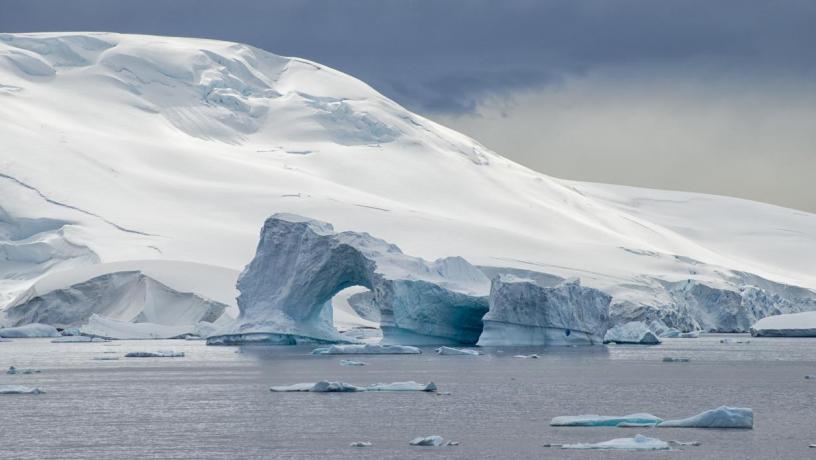
First Study to Relate Antarctic Sea Ice Melt to Weather Change in the Tropics

First Study to Relate Antarctic Sea Ice Melt to Weather Change in the Tropics

March 16, 2020
climate change   climate response  

While there is a growing body of research showing how the loss of Arctic sea ice affects other parts of the planet, this study is the first to also consider the long-range effect of Antarctic melt.

« Older Entries
Next Entries »
Close