
March 19, 2020
Data Science Institute Alumni Use Machine Learning to Discover Coronavirus Treatments
Two graduates of the Data Science Institute (DSI) at Columbia University are using computational design to quickly discover treatments for the coronavirus.
March 18, 2020
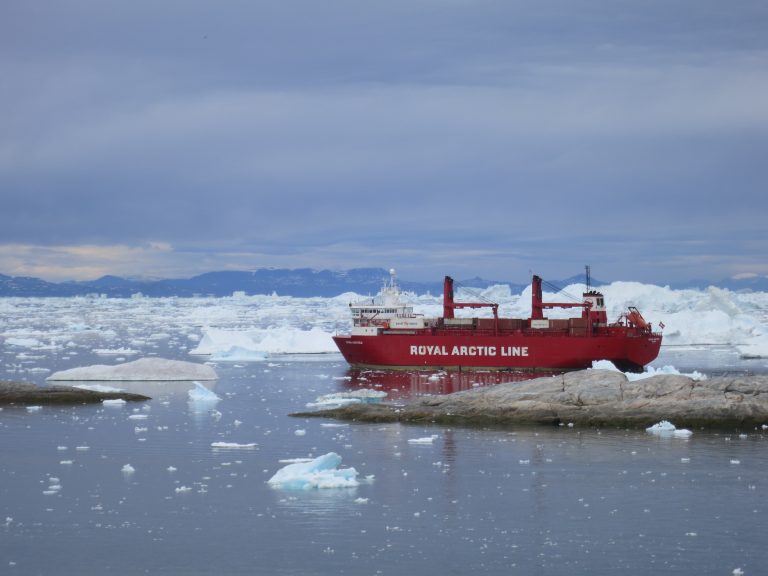
Increasingly Mobile Sea Ice Means Arctic Neighbors May Pollute Each Others’ Waters
The movement of Arctic sea ice is expected to significantly increase this century, raising the risk of more widely transporting pollutants like microplastics and oil.

March 16, 2020
Even a Limited India-Pakistan Nuclear War Would Bring Global Famine, Says Study
Even a limited nuclear exchange between India and Pakistan would cause unprecedented planet-wide food shortages lasting more than a decade.
March 16, 2020
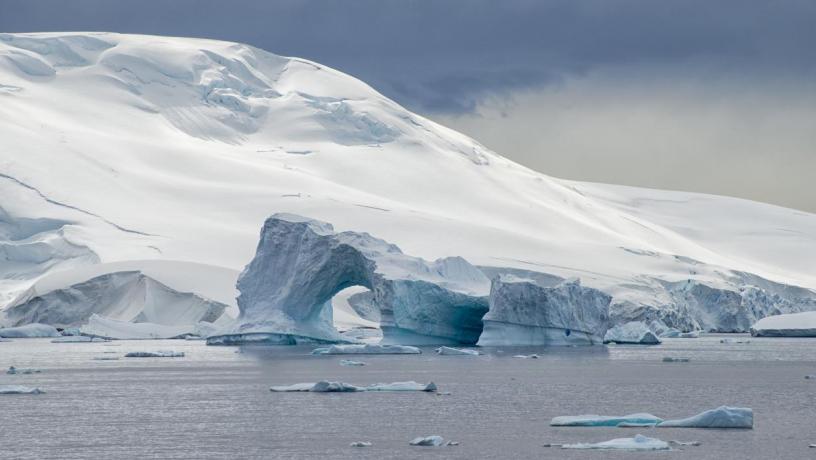
First Study to Relate Antarctic Sea Ice Melt to Weather Change in the Tropics
While there is a growing body of research showing how the loss of Arctic sea ice affects other parts of the planet, this study is the first to also consider the long-range effect of Antarctic melt.
March 16, 2020
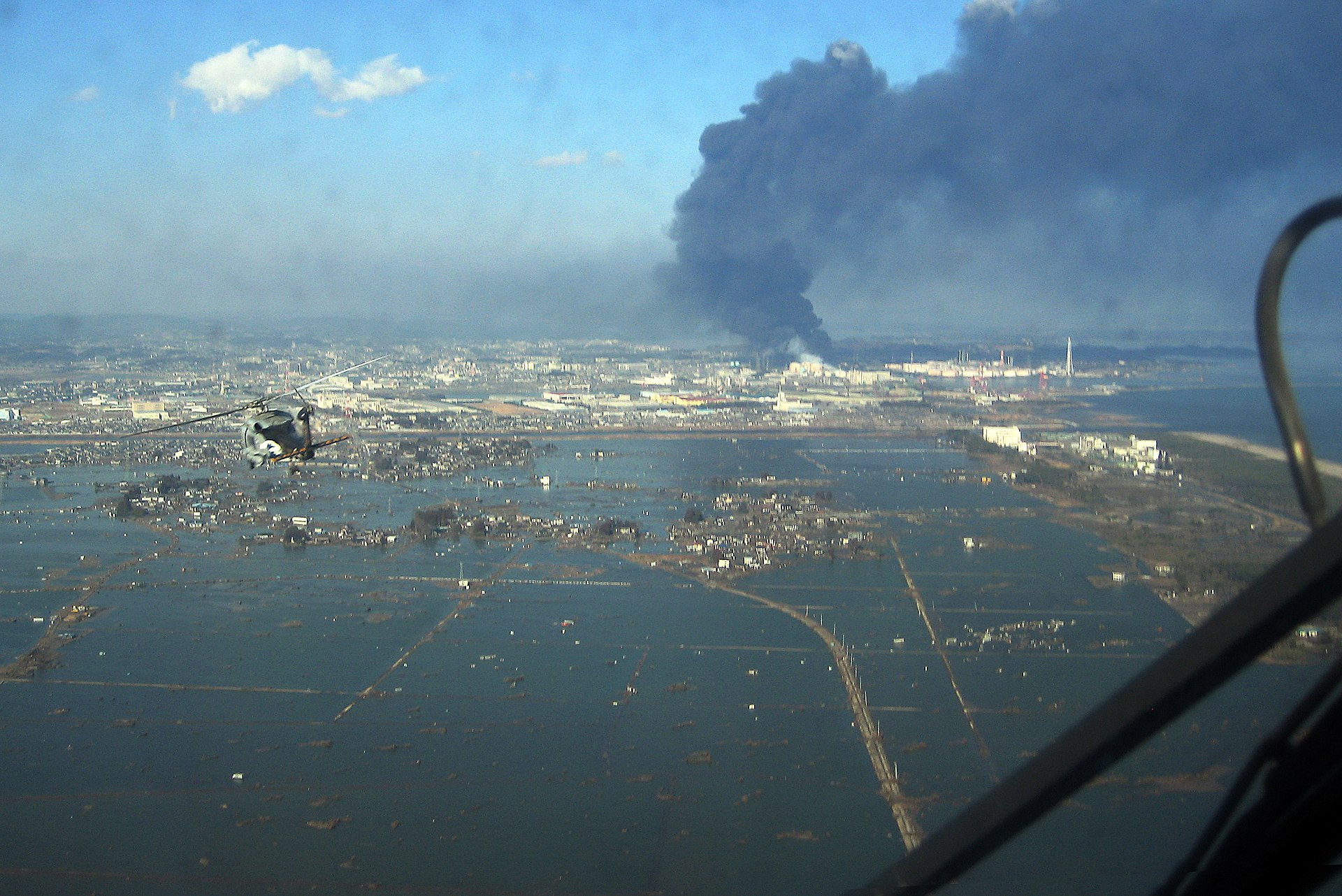
Study Suggests Shifts in Deep Geologic Structure May Have Magnified Great 2011 Japan Tsunami
A new study led by researchers at Columbia's Lamont-Doherty Earth Observatory looks at why the 2011 Tohoku tsunami off Japan was unexpectedly huge.
March 9, 2020
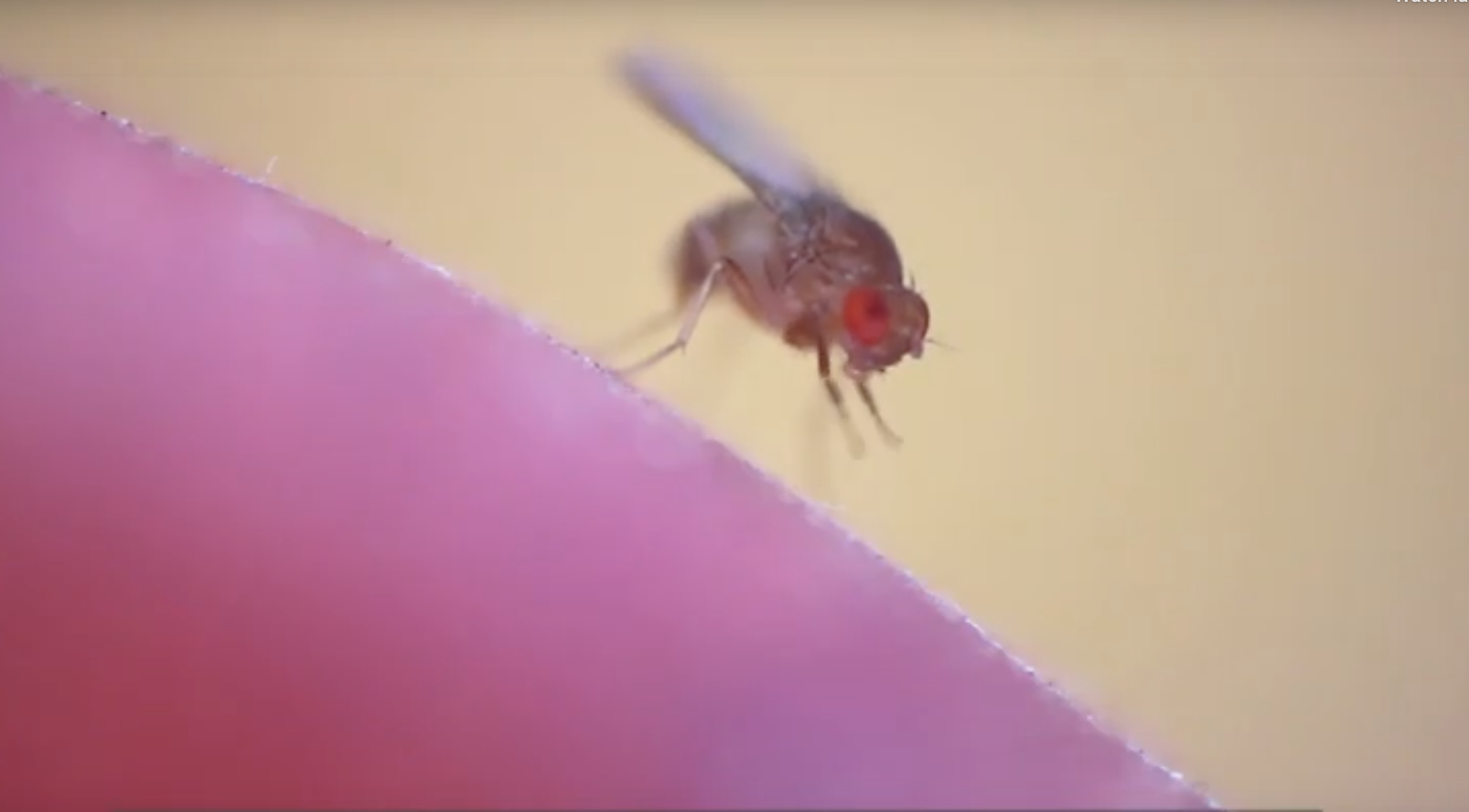
Curious Minds: How Do Flies See in Color?
How do you know whether something is blue or green? New research from two young scientists shows how the brains of flies, like the brains of humans, create the mental illusion of color.
March 9, 2020
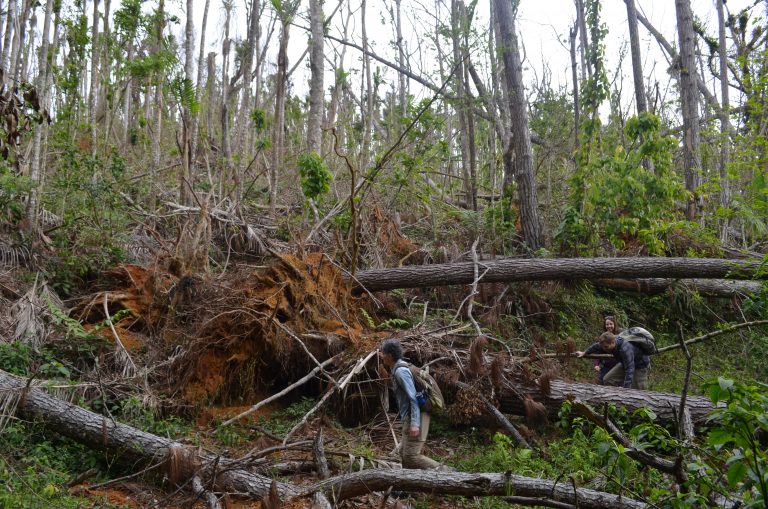
Rain, More Than Wind, Led to Massive Toppling of Trees in Hurricane Maria, Says Study
The surprising finding suggests that future hurricanes stoked by warming climate may be even more destructive to forests than scientists have already projected.
