
January 31, 2020
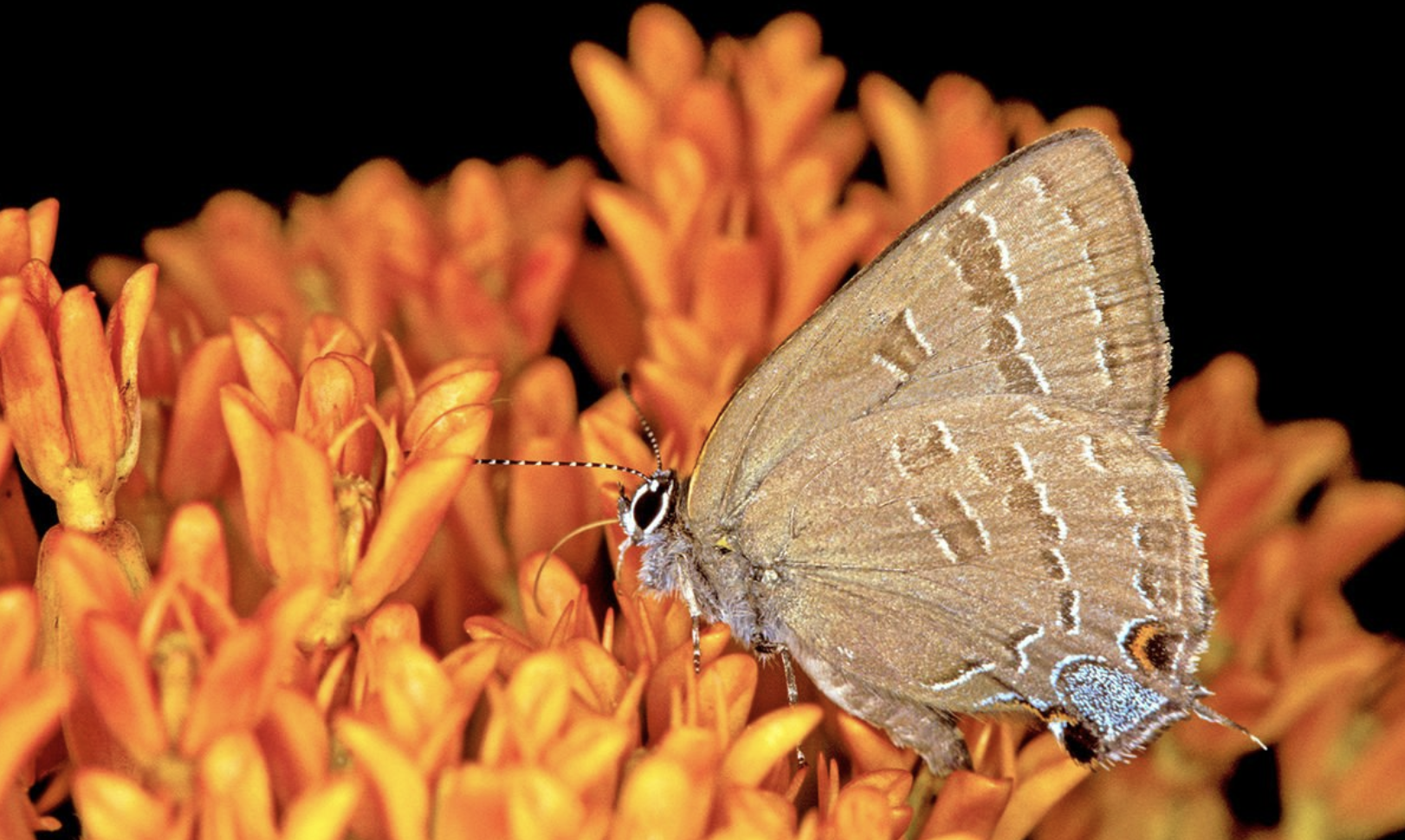
There Is More to a Butterfly’s Wing Than Meets the Eye
New research by Nanfang Yu, a physicist at Columbia University, and his colleagues has shown that butterfly wings are sophisticated living organs.
January 27, 2020
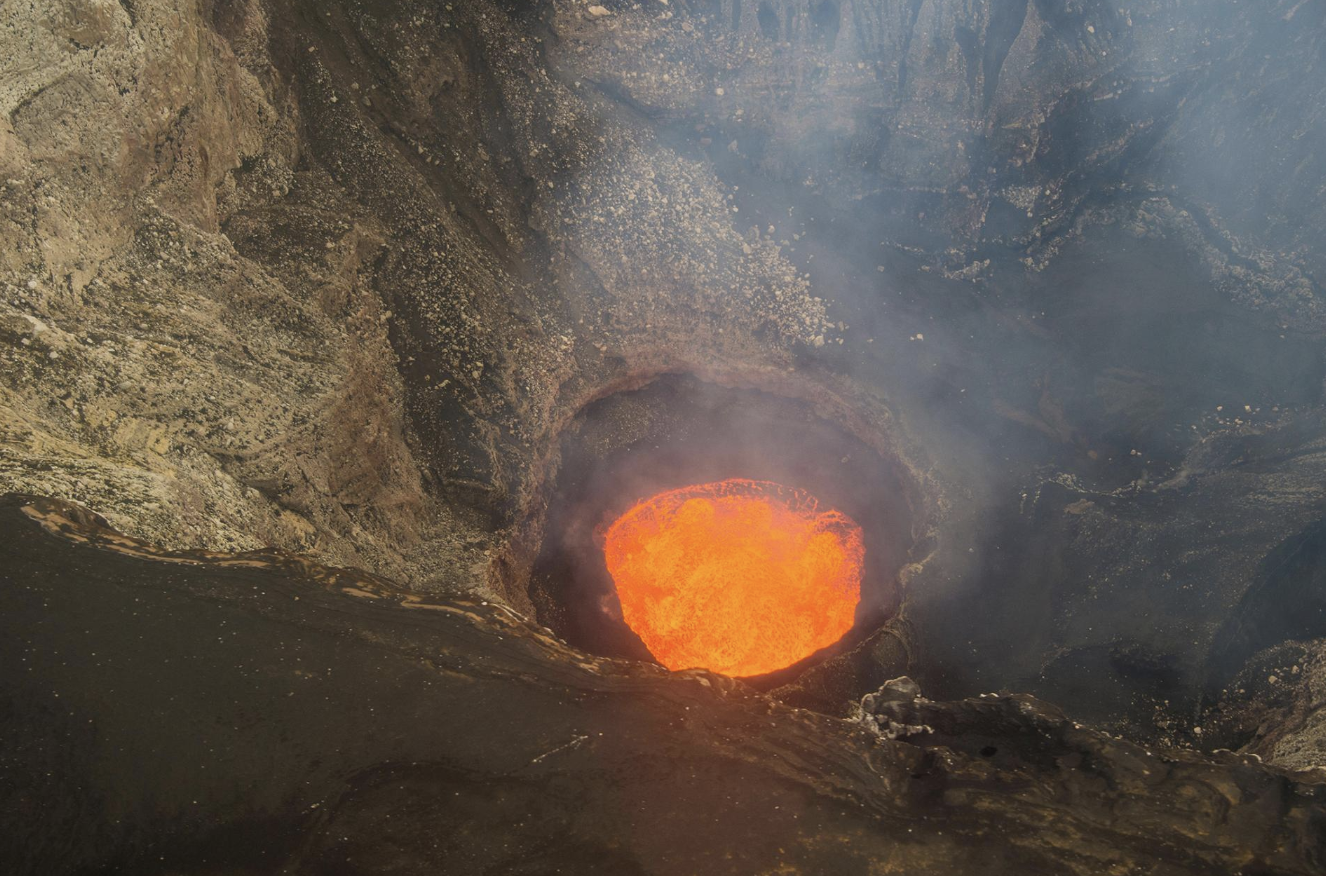
These Lava Lakes Drained Catastrophically—and Scientists Caught It in Action
“It looked like everything was in black-and-white,” says Moussallam, a volcanologist at Columbia University who is also associated with France’s Laboratoire Magmas et Volcans. “The whole caldera area had completely changed.”
January 27, 2020
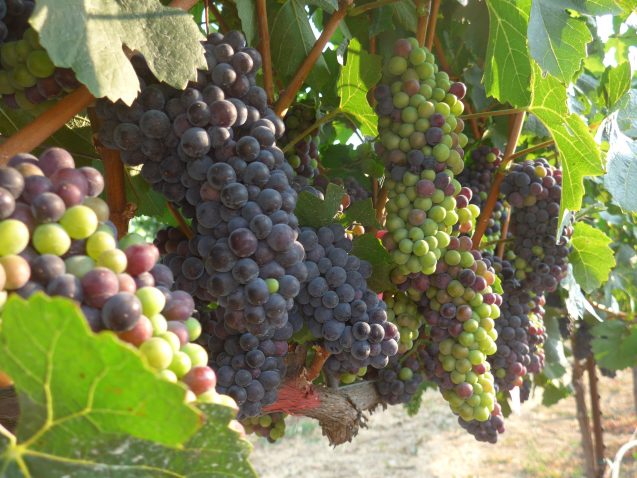
‘Wine is like the canary in the coal mine.’ Climate change is threatening our wine supply.
“In some ways, wine is like the canary in the coal mine for climate change impacts on agriculture because these grapes are so climate-sensitive,” said study co-author Benjamin Cook of Columbia University’s Lamont-Doherty Earth Observatory.
January 22, 2020
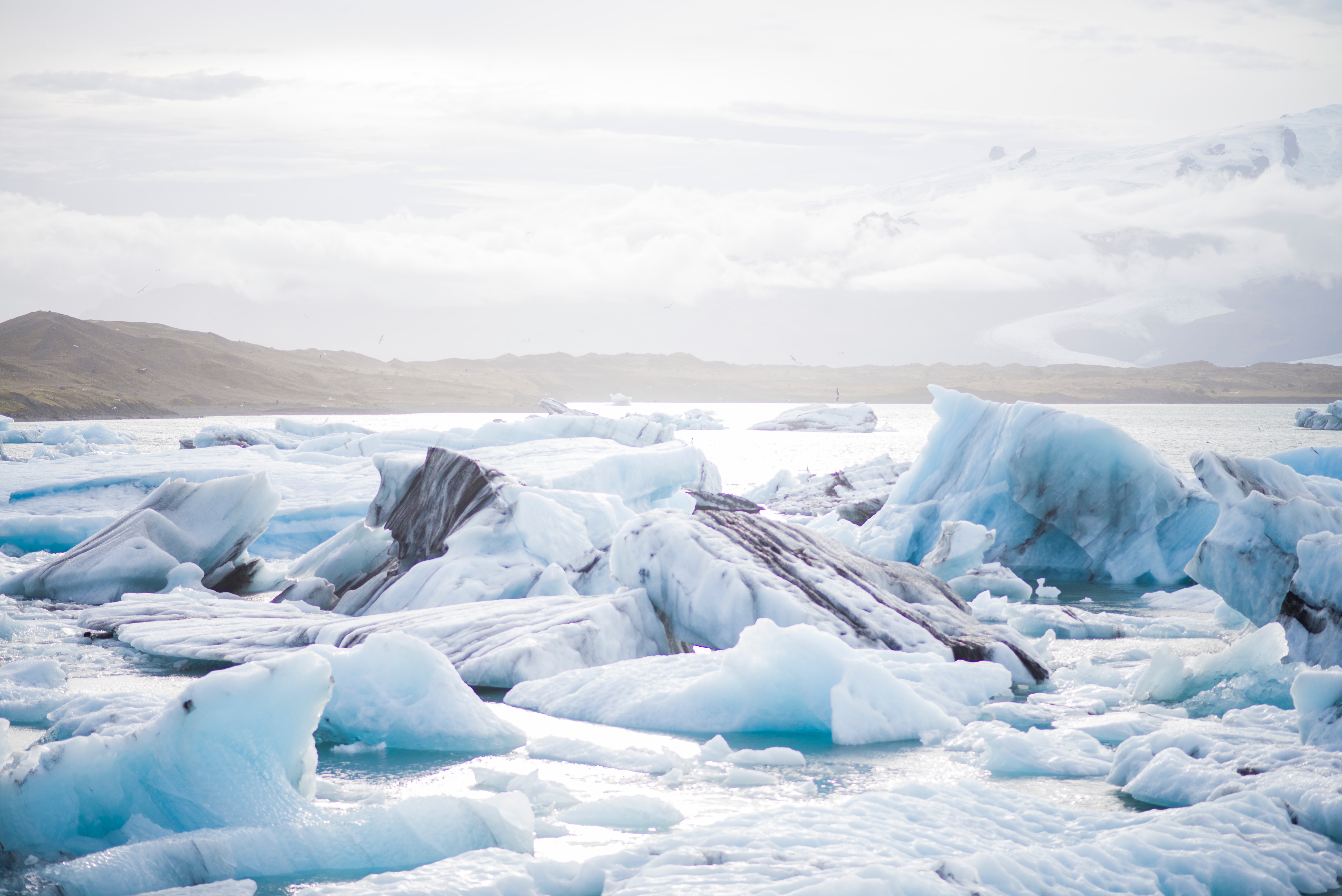
Banned Ozone Destroying Substances Caused Half of Arctic Warming Between 1955 and 2005: ‘Climate Mitigation Is in Action’
Ozone destroying substances that were banned in the 1980s may have been responsible for half of all Arctic warming between 1955 and 2005, found a new study led by Columbia scientists.
December 6, 2019
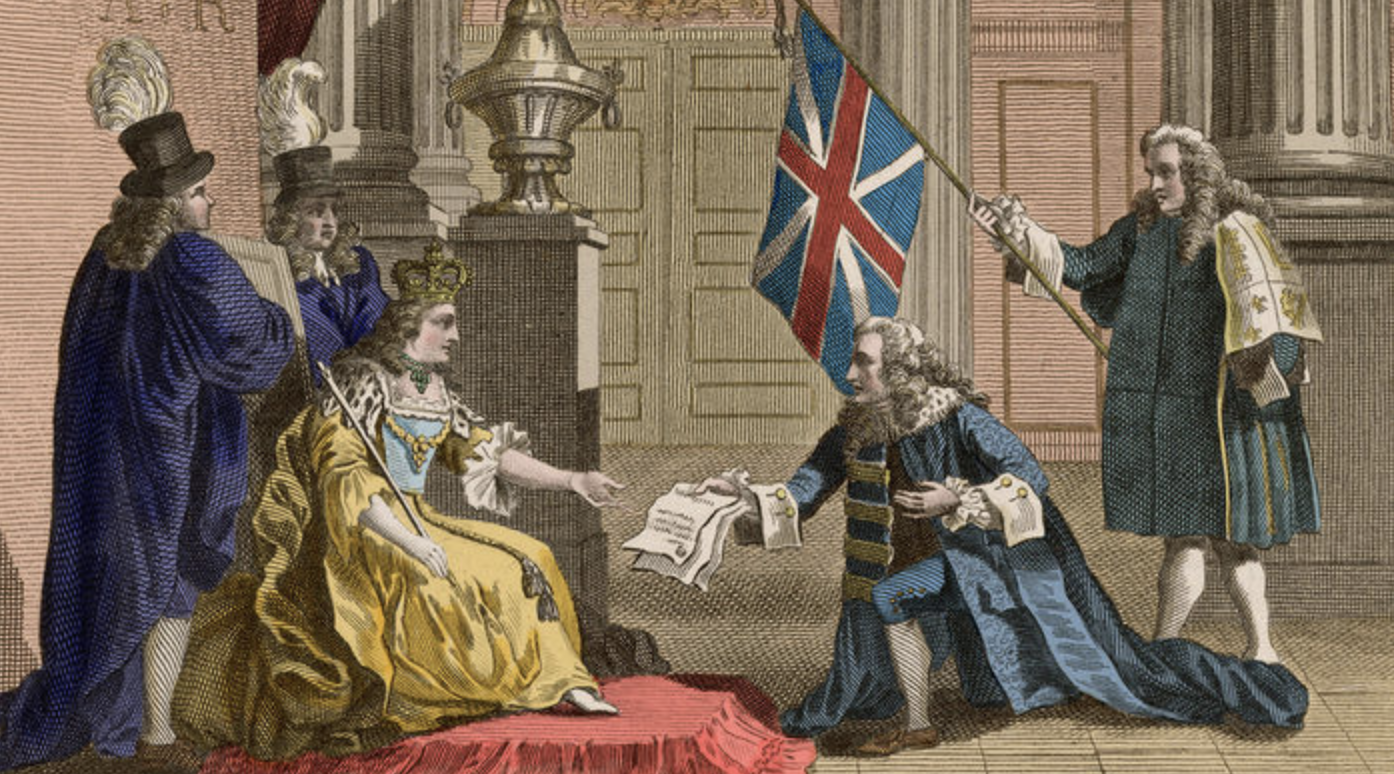
How a Volcanic Eruption Helped Create Modern Scotland
A new analysis led by Rosanne D’Arrigo, a Columbia paleoclimatologist, suggests that volcanic eruptions thousands of kilometers away from Great Britain may have helped spark a political transformation.
December 5, 2019
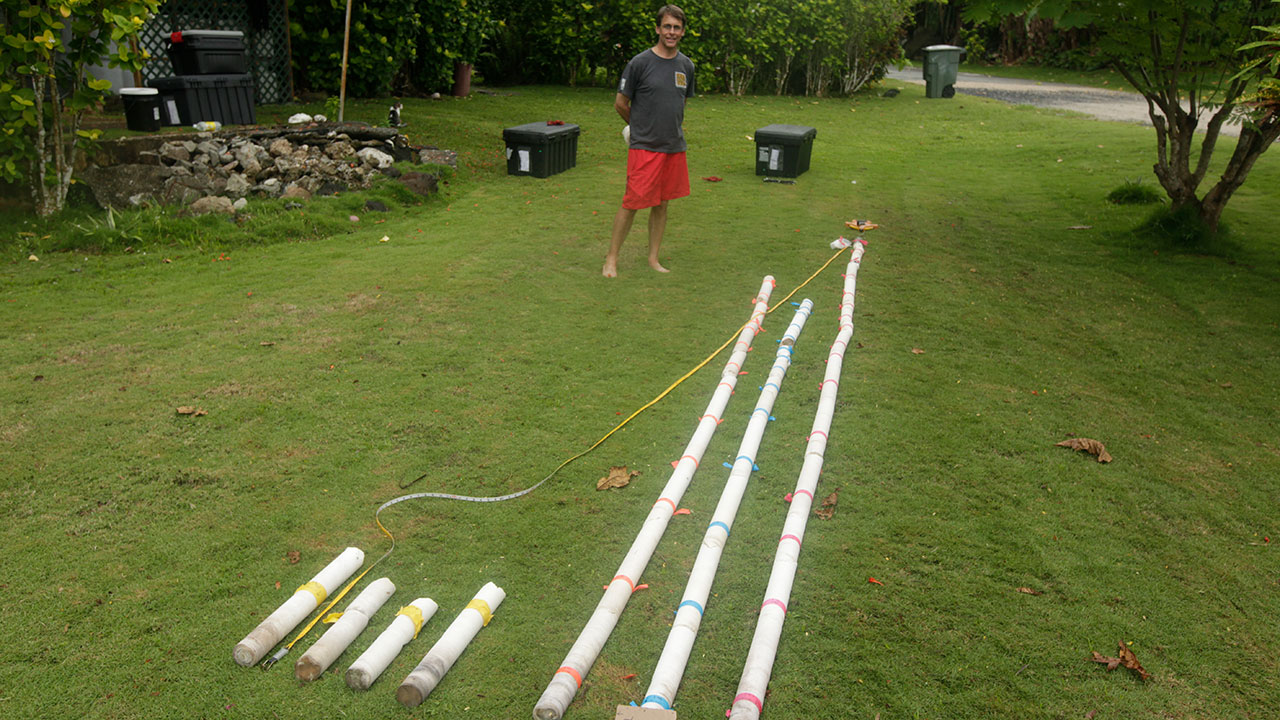
Mortal Corals
The oceans are currently warming at an unparalleled rate, spelling potential chaos for corals around the world. Columbia's Brad Linsley is studying reefs to track the past and make more accurate predictions about the future.
December 4, 2019
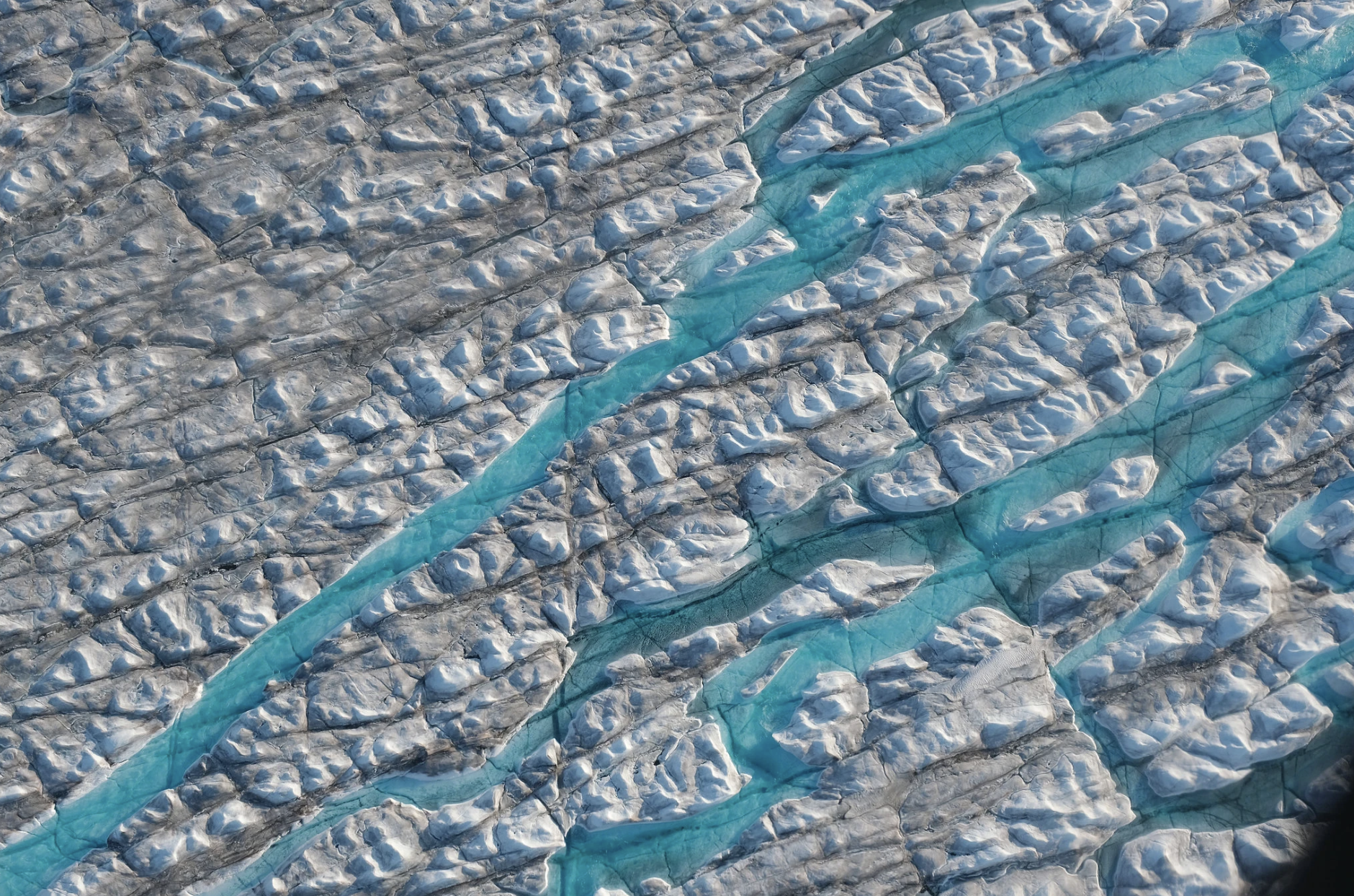
Climate Change Is Accelerating: ‘Things Are Getting Worse’
“This is a consequence of the warming temperatures of climate change,” said Columbia climate scientist Marco Tedesco about why melting is speeding up on the Greenland sheet and on much of the West Antarctic sheet.