Columbia Science Commits
  • HOME
  • ABOUT
    • Overview
    • The Columbia Commitment
    • Message from the President
    • Strategic Planning
    • Leadership
  • PRIORITIES
    • Fundamental Science
    • Neuroscience
    • Climate Response
    • Precision Medicine
    • Next Generation Nano
    • Data and Society
  • NEWS
    • Science News
    • Press Releases
    • Video Gallery
  • PARTNERS
    • All Partners
    • The Fu Foundation School of Engineering and Applied Science
    • Columbia University Medical Center
    • Columbia Zuckerman Institute
    • The Earth Institute
    • Lamont-Doherty Earth Observatory
    • Columbia | Precision Medicine
    • Data Science Institute
    • Columbia Nano Initiative
  • JOIN US
    • Commit
    • Twitter
Select Page
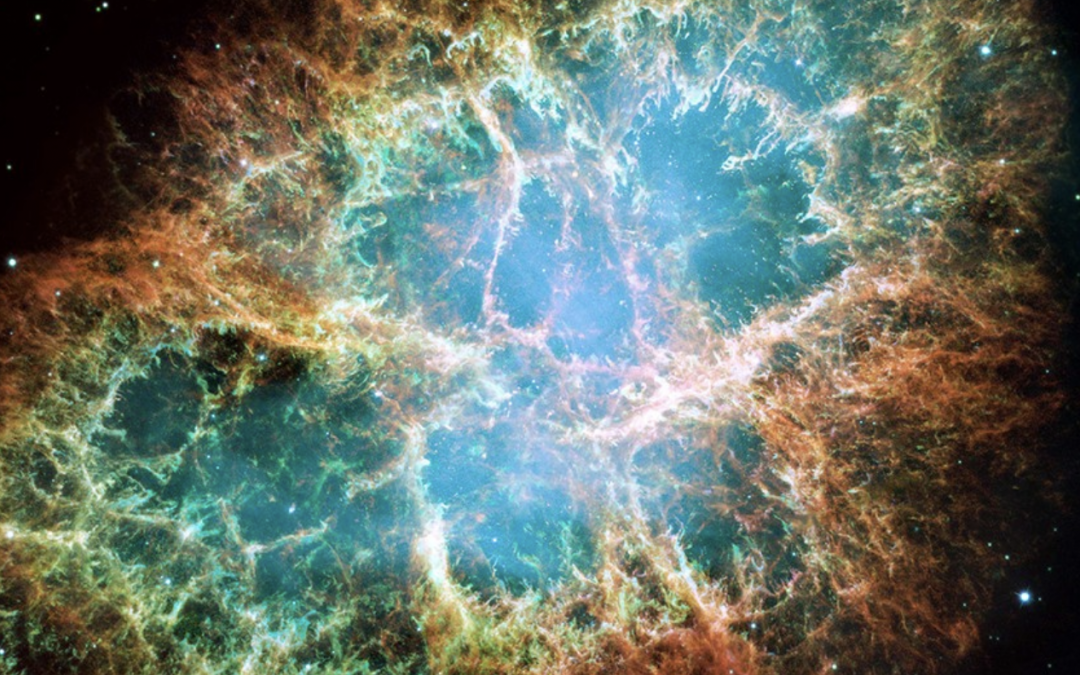
A New Theory for How Black Holes and Neutron Stars Shine Bright

A New Theory for How Black Holes and Neutron Stars Shine Bright

November 27, 2019
fundamental science   physics  

Columbia researchers suggest radiation that lights the densest objects in our universe is powered by the interplay of turbulence and reconnection of super-strong magnetic fields.

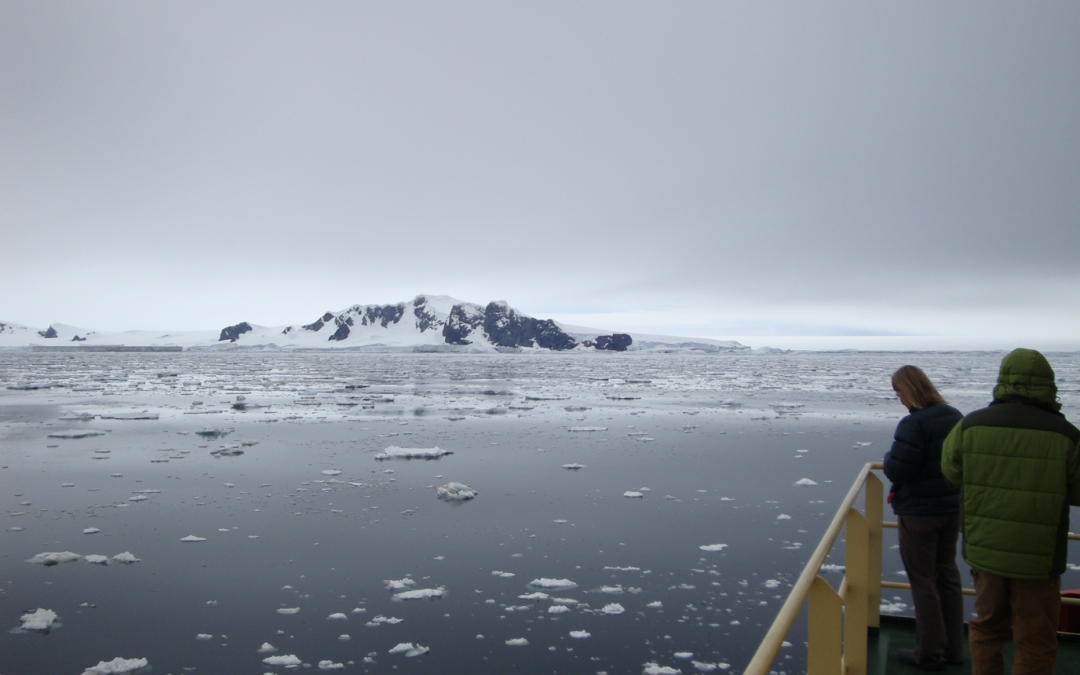
An Inlet By Any Other Name: Lamont Scientist Honored with Antarctic Namesake

An Inlet By Any Other Name: Lamont Scientist Honored with Antarctic Namesake

November 27, 2019
Antarctica   climate change   climate response  

A small bay in Antarctica has been named after biological oceanographer Hugh Ducklow from Columbia University’s Lamont-Doherty Earth Observatory.
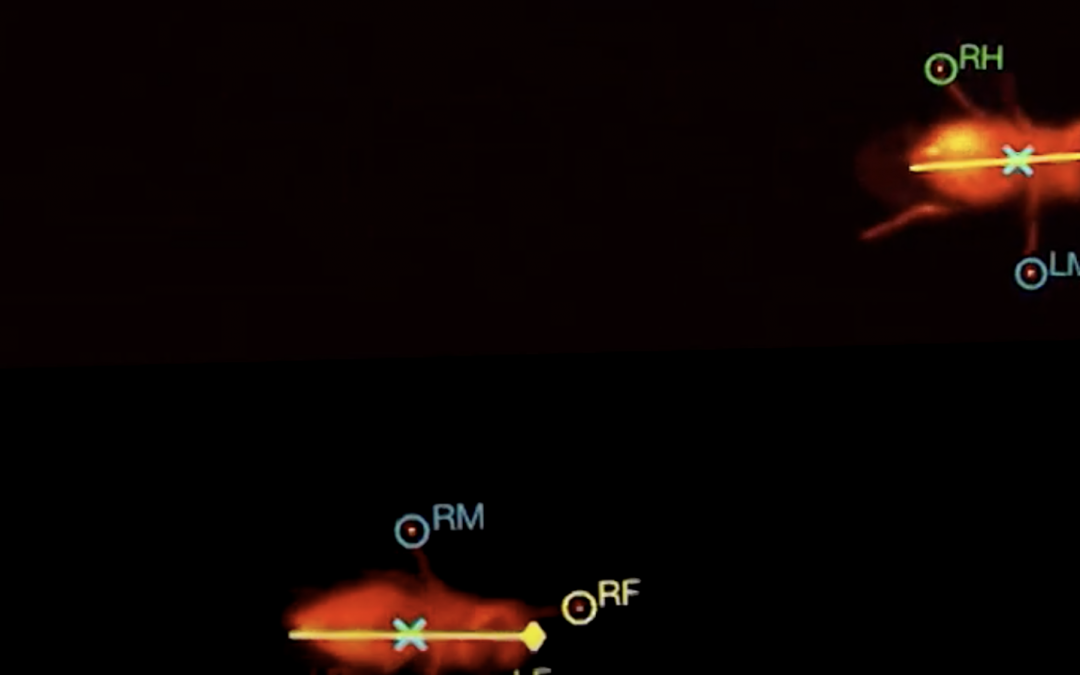
Why Do We Freeze When Startled? New Study in Flies Points to Serotonin

Why Do We Freeze When Startled? New Study in Flies Points to Serotonin

November 27, 2019
neuroscience   zuckerman institute  

Columbia researchers uncover the mechanism that produces the fly’s startle response, which offers clues as to what may happen in our own bodies when we get startled.

How ‘Climate Procrastination’ Has Put the Planet in Peril

How ‘Climate Procrastination’ Has Put the Planet in Peril

November 27, 2019

A new report from the United Nations finds that the warming effect of greenhouse gases on the planet has increased 43 percent just since 1990. Columbia University’s Radley Horton discusses the problem and potential solutions.

Close