
Columbia Science Commits
  • HOME
  • ABOUT
    • Overview
    • The Columbia Commitment
    • Message from the President
    • Strategic Planning
    • Leadership
  • PRIORITIES
    • Fundamental Science
    • Neuroscience
    • Climate Response
    • Precision Medicine
    • Next Generation Nano
    • Data and Society
  • NEWS
    • Science News
    • Press Releases
    • Video Gallery
  • PARTNERS
    • All Partners
    • The Fu Foundation School of Engineering and Applied Science
    • Columbia University Medical Center
    • Columbia Zuckerman Institute
    • The Earth Institute
    • Lamont-Doherty Earth Observatory
    • Columbia | Precision Medicine
    • Data Science Institute
    • Columbia Nano Initiative
  • JOIN US
    • Commit
    • Twitter
Select Page
Crowdsourced Family Tree Yields New Insights about Humanity

Crowdsourced Family Tree Yields New Insights about Humanity

March 2, 2018
data and society  

From millions of interconnected online genealogy profiles, researchers have amassed the largest, scientifically-vetted family tree to date, which at 13 million people, is slightly bigger than a nation the size of Cuba or Belgium.

When Did Americans Stop Marrying Their Cousins? Ask the World’s Largest Family Tree

When Did Americans Stop Marrying Their Cousins? Ask the World’s Largest Family Tree

March 2, 2018

With crowdsourced genealogy, “we have the ability to connect a much more vast network of individuals and locations around the world, in a faster, cheaper way,” said Yaniv Erlich, who led the study and is a computer science professor at Columbia University.
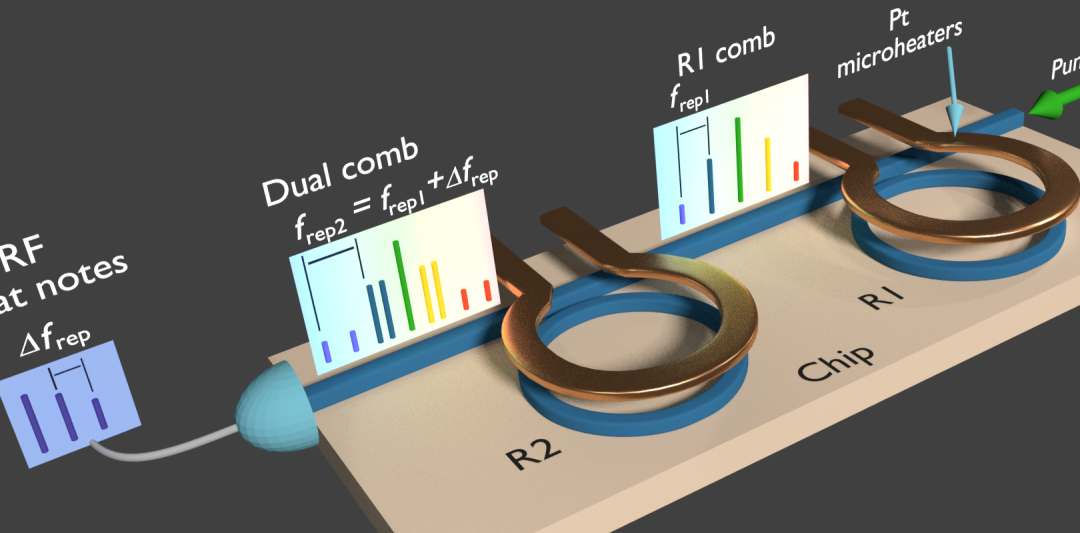
Dual Frequency Comb Generated on a Single Chip Using a Single Laser

Dual Frequency Comb Generated on a Single Chip Using a Single Laser

March 2, 2018
computer science   engineering  

Columbia engineers are the first to miniaturize dual-frequency combs by putting two frequency comb generators on a single millimeter-sized silicon-based chip — work that could lead to low-cost, real-time portable sensing and spectroscopy in the field.

5 Questions: Richard Plunz on Crowdsourcing Urban Design with Twitter

5 Questions: Richard Plunz on Crowdsourcing Urban Design with Twitter

March 2, 2018
climate response   data science  

A new project led by Richard Plunz and his colleagues at the Earth Institute’s Urban Design Lab combines mapping techniques with Twitter-usage data to gain a real-time understanding of how people occupy public space.

Close