Columbia Science Commits
  • HOME
  • ABOUT
    • Overview
    • The Columbia Commitment
    • Message from the President
    • Strategic Planning
    • Leadership
  • PRIORITIES
    • Fundamental Science
    • Neuroscience
    • Climate Response
    • Precision Medicine
    • Next Generation Nano
    • Data and Society
  • NEWS
    • Science News
    • Press Releases
    • Video Gallery
  • PARTNERS
    • All Partners
    • The Fu Foundation School of Engineering and Applied Science
    • Columbia University Medical Center
    • Columbia Zuckerman Institute
    • The Earth Institute
    • Lamont-Doherty Earth Observatory
    • Columbia | Precision Medicine
    • Data Science Institute
    • Columbia Nano Initiative
  • JOIN US
    • Commit
    • Twitter
Select Page
Humanity’s fight against climate change is failing. One technology can change that.

Humanity’s fight against climate change is failing. One technology can change that.

December 4, 2017

“At two percent of global GDP, we can make the carbon dioxide problem go away,” says Columbia’s Peter Kelemen, who is developing technology to turn carbon emissions to stone.
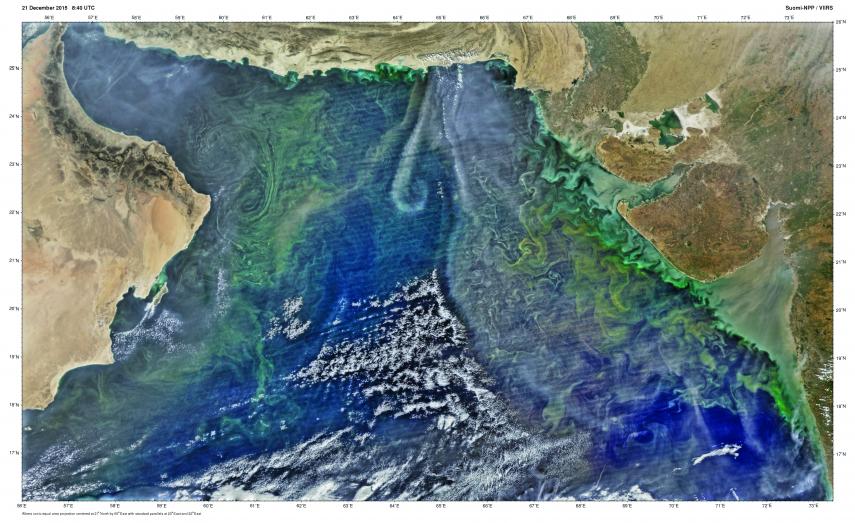
Collateral Consequences: Climate Change and the Arabian Sea

Collateral Consequences: Climate Change and the Arabian Sea

December 4, 2017
climate response   ecology  

A plankton-like species is attacking the base of the food chain in the Arabian sea, disrupting water quality and killing fish. Researchers at Columbia’s Lamont-Doherty Earth Observatory are learning how to fight back.

Want to Save the World? Start by Eating Less Beef

Want to Save the World? Start by Eating Less Beef

December 4, 2017
climate response   sustainability  

A new study co-authored by Columbia climate scientist Maureen Raymo calculates that if we eat half as many burgers and steaks each week, it could have a profound effect on carbon emissions and the environment.

Close