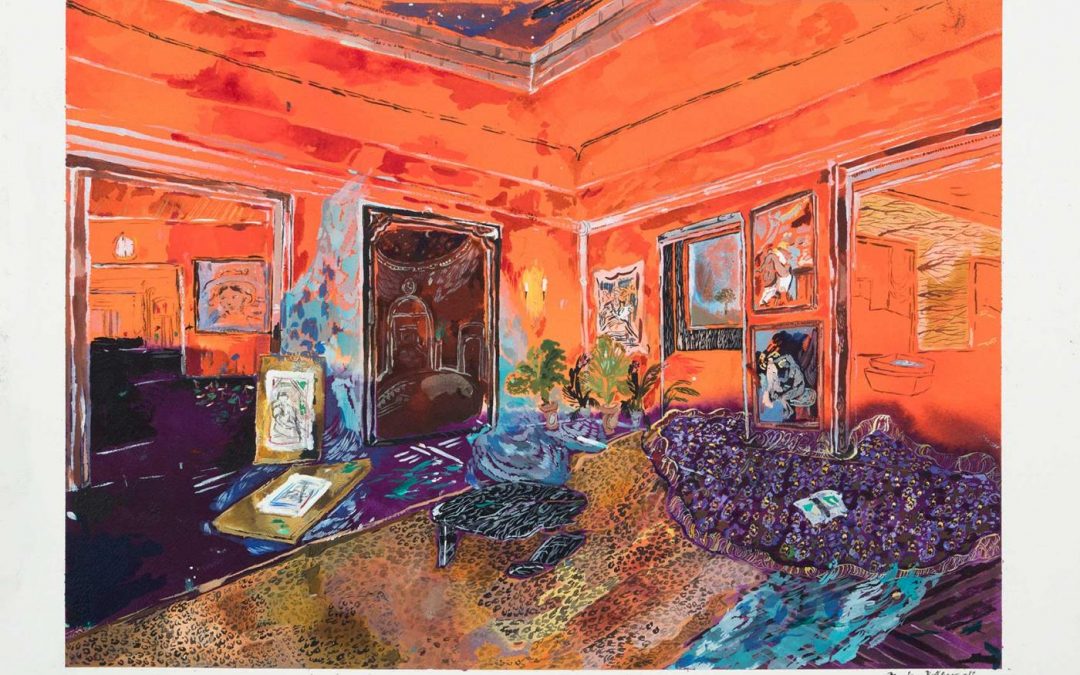
Room for Thought: Brain Region That Watches for Walls Identified
Advanced imaging technologies observe one brain area’s ability to rapidly sense our surroundings. The study lays the groundwork for improvements to machine learning and robotics.

Advanced imaging technologies observe one brain area’s ability to rapidly sense our surroundings. The study lays the groundwork for improvements to machine learning and robotics.
New findings could explain how alterations in the coordination of small groups of neurons, either by pathologies or anesthetics, could lead to alterations in consciousness.
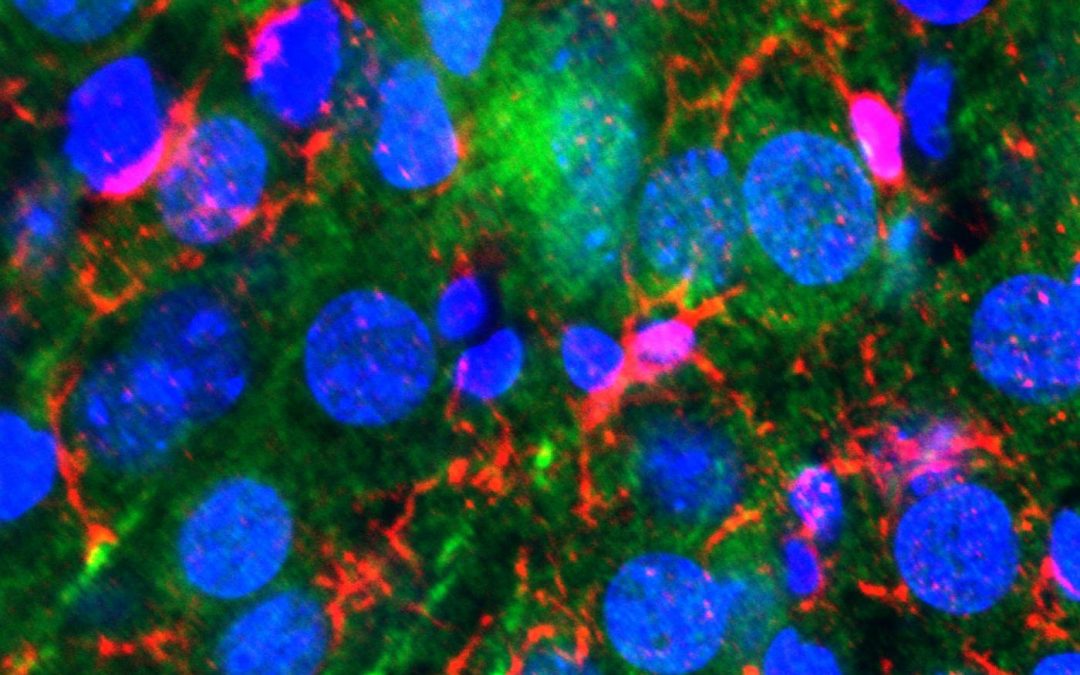
A new Columbia study highlights the key role this gene plays in essential biological processes and offers a promising new target for combating PTSD, a disorder that impacts women more than men.
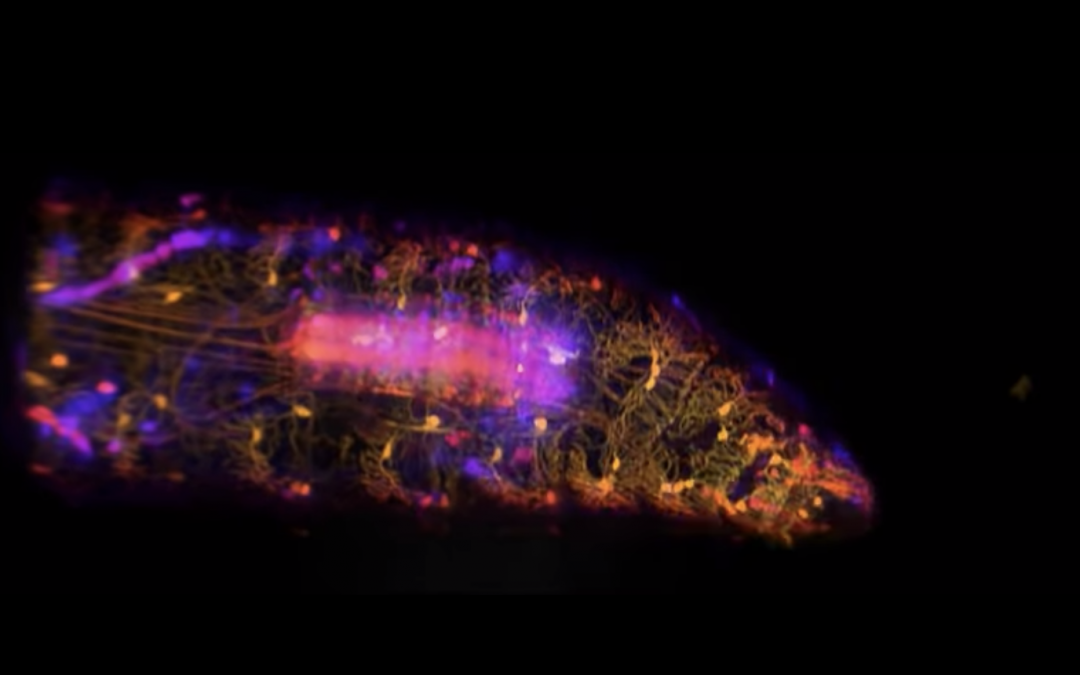
A Columbia team harnesses powerful technology to uncover never-before-seen details of the nervous system, demonstrating SCAPE’s broad potential to decipher the brain.
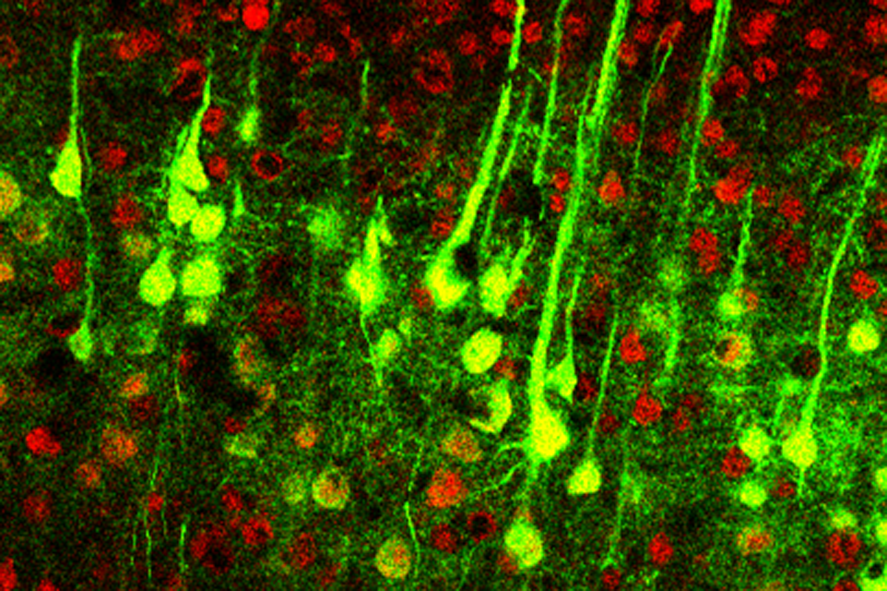
Research led by Randy Bruno, a principal investigator at Columbia’s Zuckerman Institute, demonstrates that the brain’s primitive sensory region also participates in sophisticated learning.