Columbia Science Commits
  • HOME
  • ABOUT
    • Overview
    • The Columbia Commitment
    • Message from the President
    • Strategic Planning
    • Leadership
  • PRIORITIES
    • Fundamental Science
    • Neuroscience
    • Climate Response
    • Precision Medicine
    • Next Generation Nano
    • Data and Society
  • NEWS
    • Science News
    • Press Releases
    • Video Gallery
  • PARTNERS
    • All Partners
    • The Fu Foundation School of Engineering and Applied Science
    • Columbia University Medical Center
    • Columbia Zuckerman Institute
    • The Earth Institute
    • Lamont-Doherty Earth Observatory
    • Columbia | Precision Medicine
    • Data Science Institute
    • Columbia Nano Initiative
  • JOIN US
    • Commit
    • Twitter
Select Page
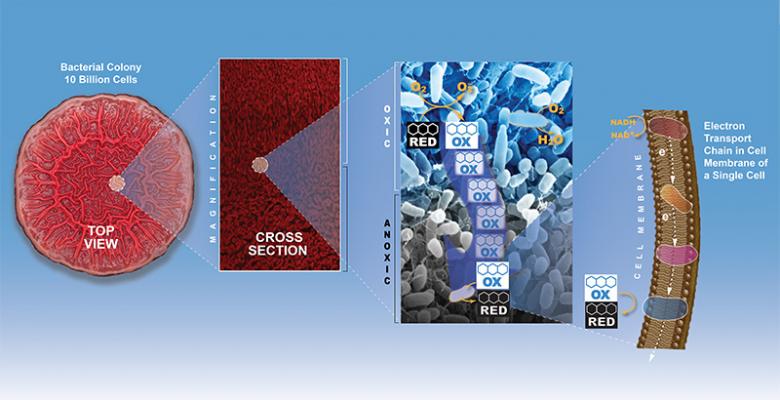
Researchers Identify How Bacterium Survives in Oxygen-Poor Environments

Researchers Identify How Bacterium Survives in Oxygen-Poor Environments

November 22, 2017
biology   fundamental science  

Columbia University biologists have revealed a mechanism by which bacterial cells in crowded, oxygen-deprived environments access oxygen for energy production, ensuring survival of the cell.
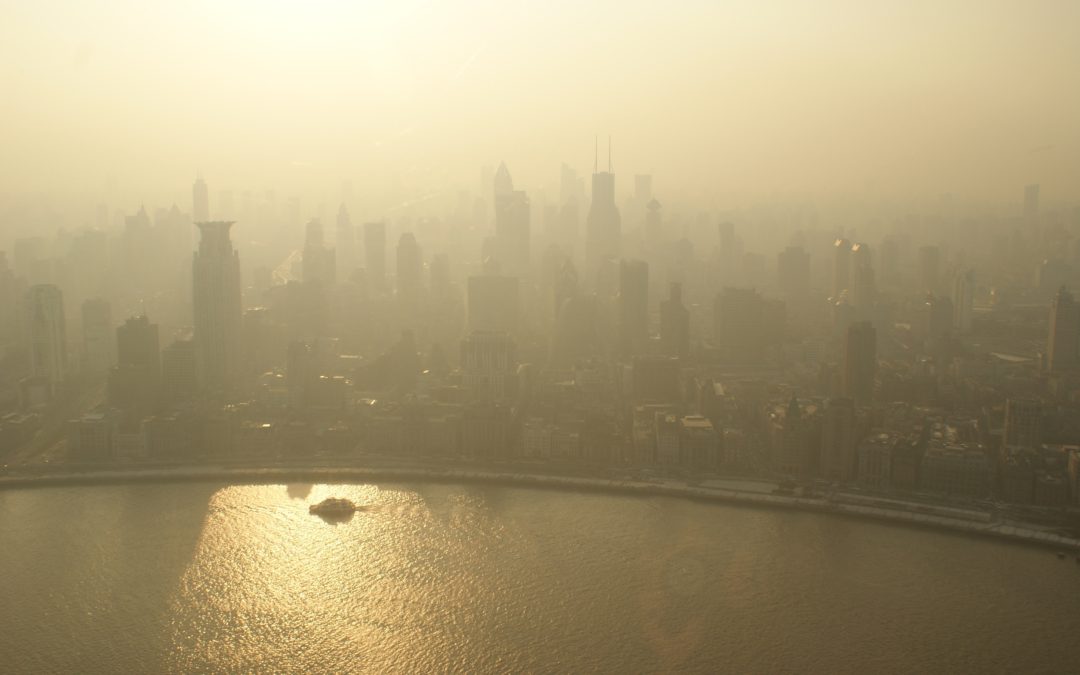
NASA Finds New Way to Track Smog by Satellite

NASA Finds New Way to Track Smog by Satellite

November 6, 2017
air pollution   fundamental science  

Columbia University researchers have helped devise a way to use satellite measurements of the precursor gases that contribute to ozone formation to predict when and where ozone will form.
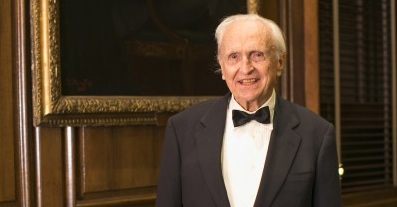
Columbia College Mourns the Loss of University Professor Ronald Breslow

Columbia College Mourns the Loss of University Professor Ronald Breslow

November 1, 2017
chemistry   fundamental science  

University Professor Ronald C. D. Breslow, a trailblazing chemist who led the creation of the field of biomimetic chemistry and developed the anti-cancer compound Zolinza, passed away on October 25, 2017.
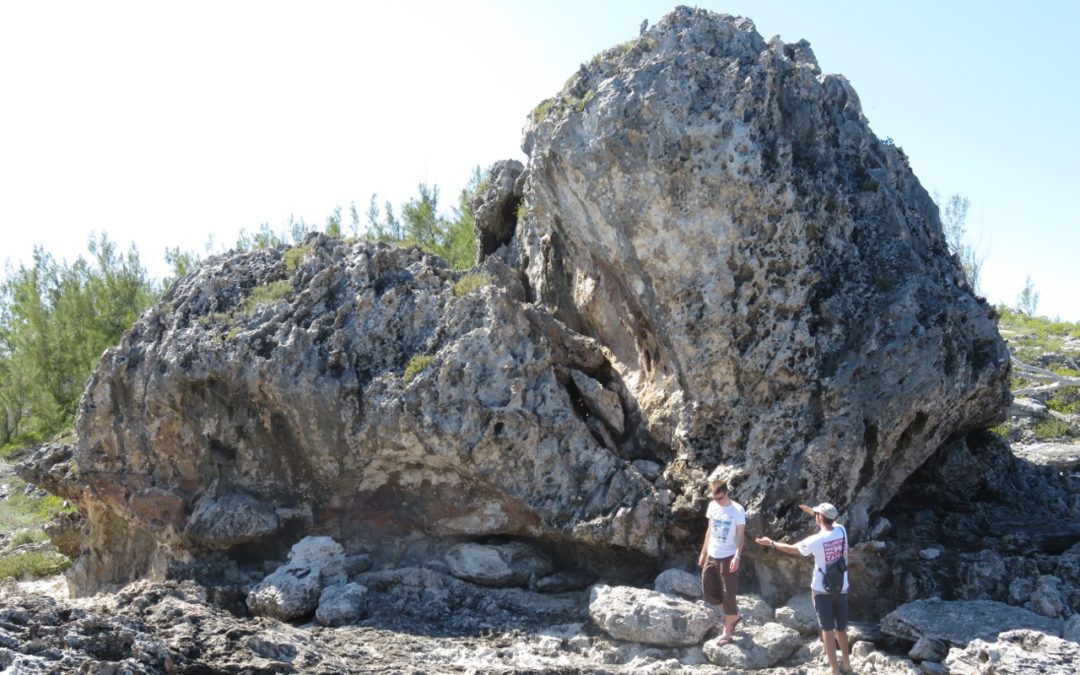
Giant Boulders on Bahamas Coast Are Evidence of Ancient Storms and Sea Level, Says Study

Giant Boulders on Bahamas Coast Are Evidence of Ancient Storms and Sea Level, Says Study

November 1, 2017
climate science   fundamental science  

New research finds that storms of intensities seen today, combined with a few meters increase in sea level, were enough to transport coastal boulders weighing hundreds of tons more than 100,000 years ago.
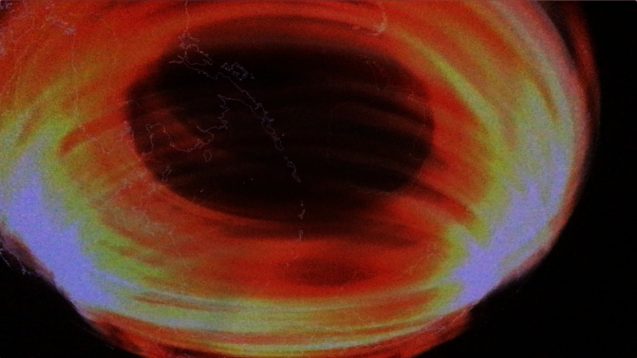
Seismodome Demonstrates the Awe-Inspiring Intensity of Earthquakes

Seismodome Demonstrates the Awe-Inspiring Intensity of Earthquakes

October 30, 2017
fundamental science   physics  

During a show at the Hayden Planetarium, Columbia University seismologist Ben Holtzman explains how he turns earthquake data into captivating sounds and visualizations.

« Older Entries
Next Entries »
Close