Columbia Science Commits
  • HOME
  • ABOUT
    • Overview
    • The Columbia Commitment
    • Message from the President
    • Strategic Planning
    • Leadership
  • PRIORITIES
    • Fundamental Science
    • Neuroscience
    • Climate Response
    • Precision Medicine
    • Next Generation Nano
    • Data and Society
  • NEWS
    • Science News
    • Press Releases
    • Video Gallery
  • PARTNERS
    • All Partners
    • The Fu Foundation School of Engineering and Applied Science
    • Columbia University Medical Center
    • Columbia Zuckerman Institute
    • The Earth Institute
    • Lamont-Doherty Earth Observatory
    • Columbia | Precision Medicine
    • Data Science Institute
    • Columbia Nano Initiative
  • JOIN US
    • Commit
    • Twitter
Select Page
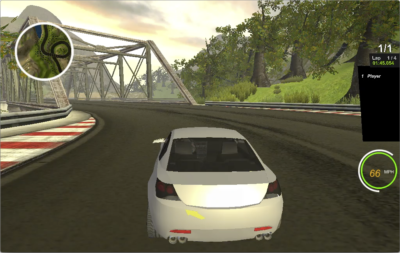
For Blind Gamers, Equal Access to Racing Video Games

For Blind Gamers, Equal Access to Racing Video Games

March 6, 2018
computer science   engineering  

The RAD, an audio-based interface that can easily be integrated into existing video games, enables people who are visually impaired to play video games with the same speed and control as sighted players, with full 3D graphics and complex, challenging racetracks.
Dual Frequency Comb Generated on a Single Chip Using a Single Laser

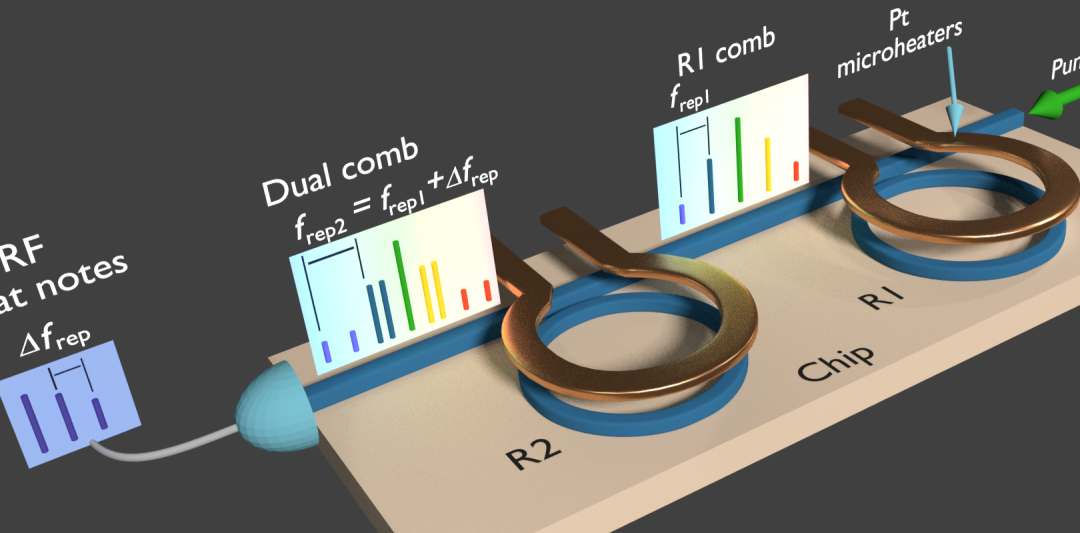
Dual Frequency Comb Generated on a Single Chip Using a Single Laser

March 2, 2018
computer science   engineering  

Columbia engineers are the first to miniaturize dual-frequency combs by putting two frequency comb generators on a single millimeter-sized silicon-based chip — work that could lead to low-cost, real-time portable sensing and spectroscopy in the field.

Karen Kasza and James Teherani Win 2018 NSF CAREER Awards

Karen Kasza and James Teherani Win 2018 NSF CAREER Awards

March 1, 2018
engineering   nanoscience  

Engineering professors Karen Kasza and James Teherani have each won a prestigious, five-year award from the National Science Foundation, which supports the early career-development activities of junior faculty who have the potential to serve as academic role models in research and education.
Near-Infrared Light May Identify Breast Cancer Patients Who Will Benefit Most from Chemotherapy

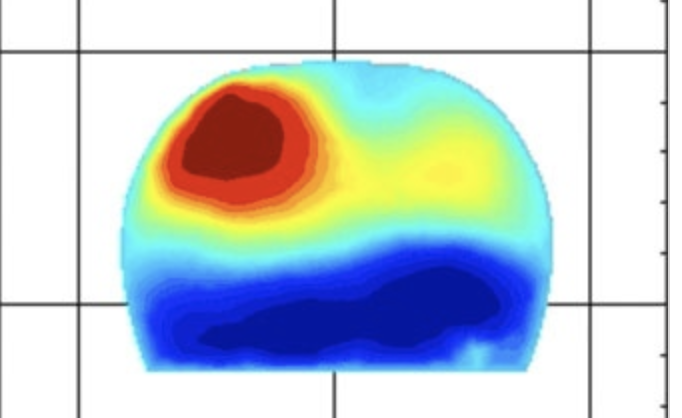
Near-Infrared Light May Identify Breast Cancer Patients Who Will Benefit Most from Chemotherapy

February 12, 2018
cancer   engineering  

A new optical imaging system developed at Columbia University may be able to predict response to chemotherapy as early as two weeks after beginning treatment.
Columbia Engineers Win $4.7M DARPA Grant to Revolutionize Augmented Reality Glasses

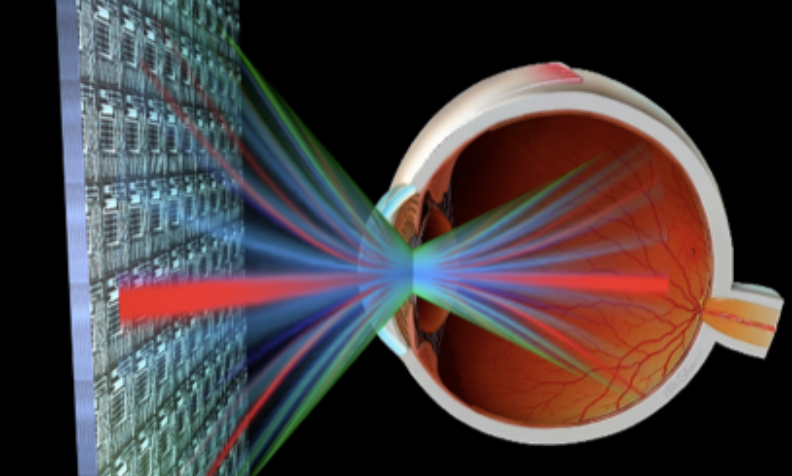
Columbia Engineers Win $4.7M DARPA Grant to Revolutionize Augmented Reality Glasses

February 1, 2018
engineering   nanoscience  

An interdisciplinary Columbia Engineering team is working to come up with a revolutionary lightweight glass that is able to dynamically monitor the wearer’s vision and display contextual images that are vision-corrected.

« Older Entries
Next Entries »
Close