Columbia Science Commits
  • HOME
  • ABOUT
    • Overview
    • The Columbia Commitment
    • Message from the President
    • Strategic Planning
    • Leadership
  • PRIORITIES
    • Fundamental Science
    • Neuroscience
    • Climate Response
    • Precision Medicine
    • Next Generation Nano
    • Data and Society
  • NEWS
    • Science News
    • Press Releases
    • Video Gallery
  • PARTNERS
    • All Partners
    • The Fu Foundation School of Engineering and Applied Science
    • Columbia University Medical Center
    • Columbia Zuckerman Institute
    • The Earth Institute
    • Lamont-Doherty Earth Observatory
    • Columbia | Precision Medicine
    • Data Science Institute
    • Columbia Nano Initiative
  • JOIN US
    • Commit
    • Twitter
Select Page
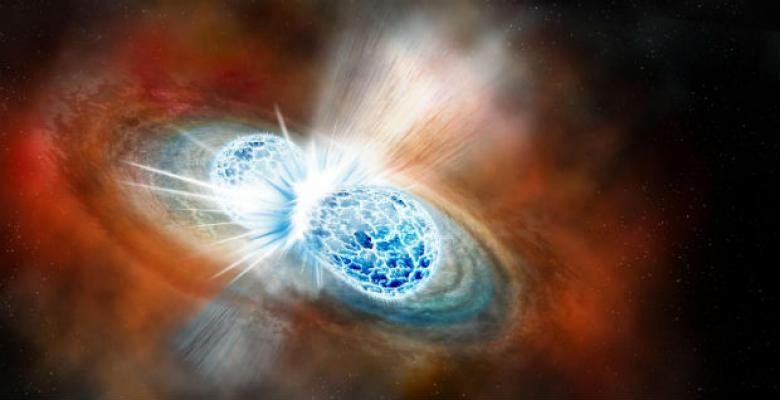
Astronomers Glimpse Cosmic Origins of Gold, Platinum, in Neutron Star Collision

Astronomers Glimpse Cosmic Origins of Gold, Platinum, in Neutron Star Collision

October 16, 2017
astronomy   fundamental science  

Astronomers, including a team at Columbia University, have for the first time witnessed a pair of dead neutron stars colliding, and have confirmed that the heaviest metals in the universe, from gold to platinum, are formed in explosions like this one spotted 130 million light-years away.
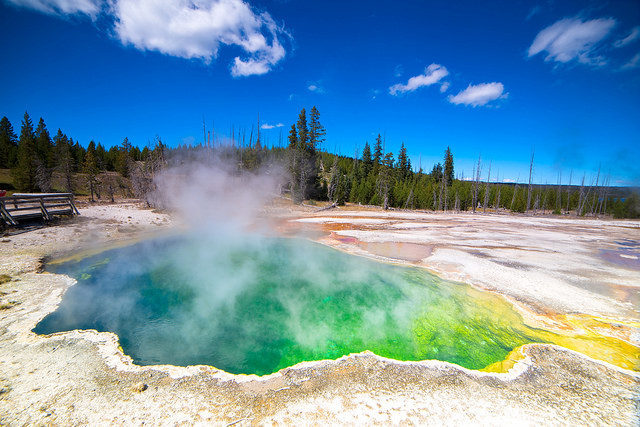
What Is a Supervolcano, and Should You Really Be Worried About the One at Yellowstone?

What Is a Supervolcano, and Should You Really Be Worried About the One at Yellowstone?

October 16, 2017
earth science   fundamental science  

Despite recent media reports, there’s no imminent threat, says Columbia geologist Einat Lev; the Yellowstone supervolcano currently shows no signs of eruption.
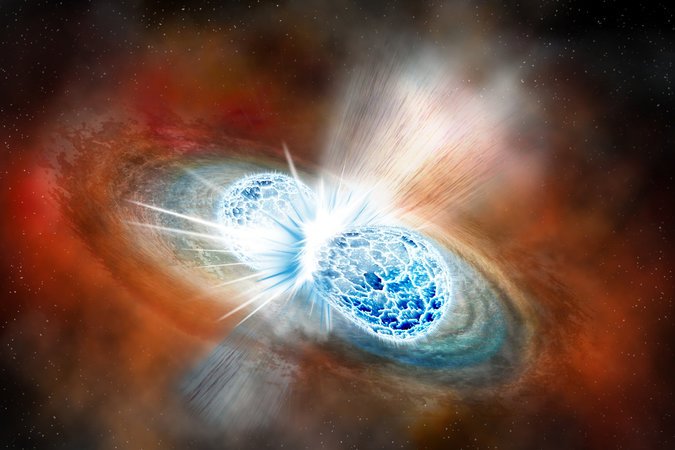
LIGO Detects Fierce Collision of Neutron Stars for the First Time

LIGO Detects Fierce Collision of Neutron Stars for the First Time

October 16, 2017

Zsuzsa Marka, a Columbia astrophysicist, and Brian David Metzger, a theorist at Columbia, describe the spectacular sights and sounds of a pair of dead stars colliding in a kilonova explosion.
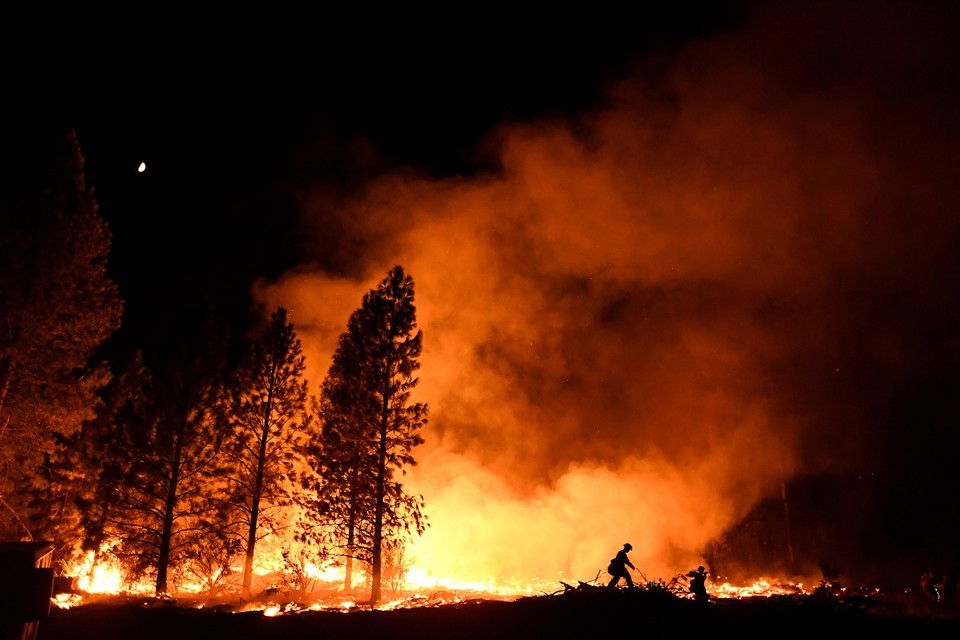
California’s Wildfires Have Become Bigger, Deadlier, and More Costly. Here’s Why

California’s Wildfires Have Become Bigger, Deadlier, and More Costly. Here’s Why

October 16, 2017

“The most straight-forward climate-change connection is through warming. As long as there is fuel to burn, drying the fuel out increases fire danger, and fuels dry out faster and more when it’s warmer,” Park Williams, a bioclimatologist at Columbia University.

Close